Reviewed · TICKETS
Kolding: Koldinghus Palace Entry Ticket
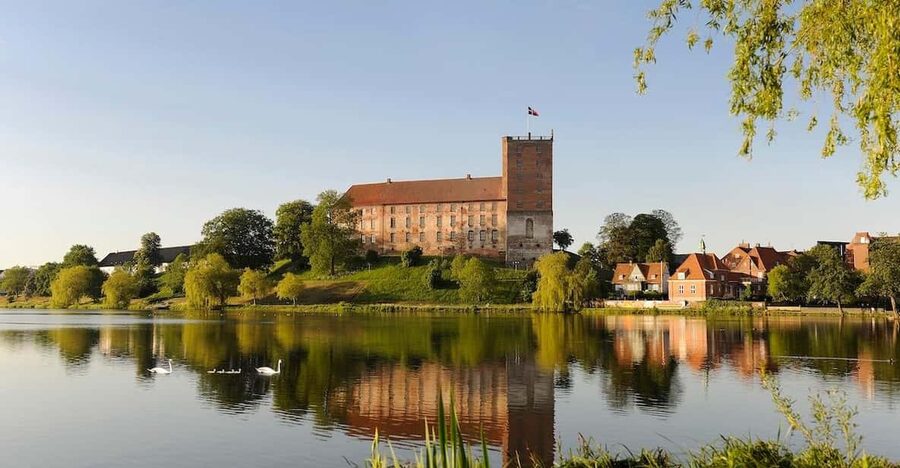
Koldinghus gives you something rare: a royal castle that is both a historic ruin and a modern museum. Built in 1268 to guard Denmark’s southern border, it rises above Kolding with thick old walls, grand rooms, changing exhibitions, and a remarkable restoration shaped by fire.
I like the contrast between the damaged medieval shell and the clean modern interior. I also like that your ticket covers the palace and all exhibitions for one day, so you can take your time instead of rushing through. The main drawback is that a guided tour is not included, and one French visitor found that French translations were limited.
Key Things to Know Before You Go
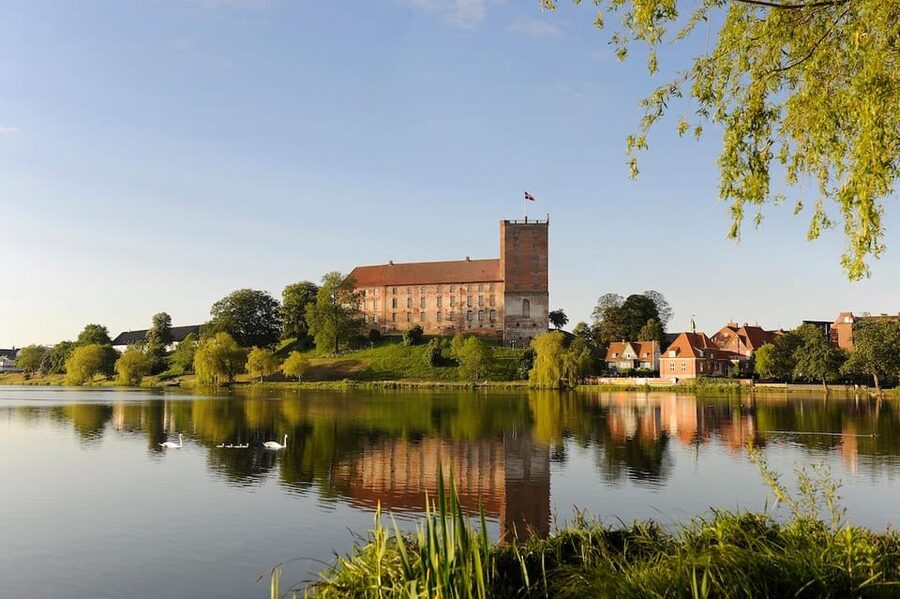
- A 750-year-old royal castle: Koldinghus served Denmark’s monarchy for centuries and once guarded the kingdom’s southern frontier.
- A castle rebuilt through design: The late 1970s restoration by Inger and Johannes Exner preserved the ruin while giving it a new museum life.
- The Giants’ Tower view: Climb for views across Kolding, the fjord, and the castle lake.
- A striking ruined chapel: Christian IV’s former chapel lost its roof and tower in the 1808 fire, leaving four walls and carefully designed lighting.
- Family-friendly extras: The royal dress-up workshop adds a hands-on element that can work especially well for children.
- A flexible one-day ticket: Entry costs $21 per person and includes all exhibitions, but not a guided tour.
Why Koldinghus Feels Different From a Restored Palace
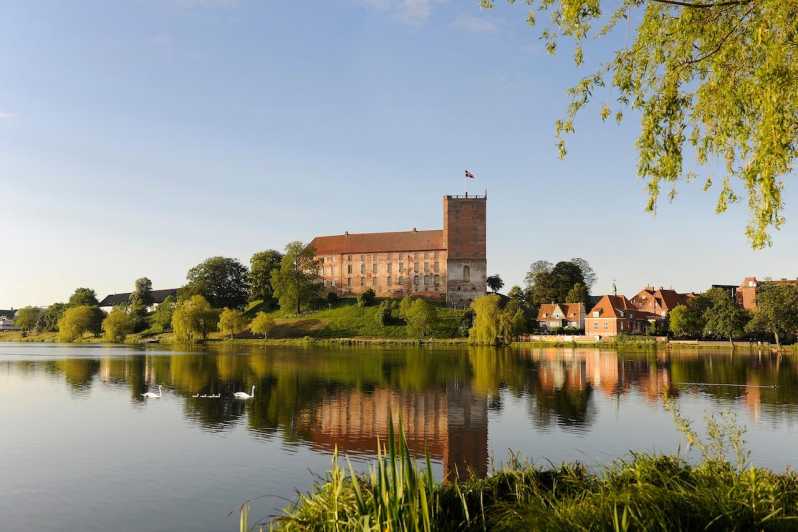
Many European castles present a polished version of the past. Koldinghus takes a more honest route. The fire of 1808 left major parts of the castle ruined, and the remains stayed that way for years, becoming a romantic ruin above Kolding.
Today, you see old masonry alongside modern architectural work. That tension is the point. You are not simply walking through rooms that have been reconstructed to look new. You are seeing how a damaged royal building can be preserved, interpreted, and used again.
The castle was first built in 1268 as a lookout and defensive stronghold near Denmark’s southern border. For centuries, it held an important place in the country’s royal story. Its position on a high castle mound helped make the approach memorable long before you entered the building.
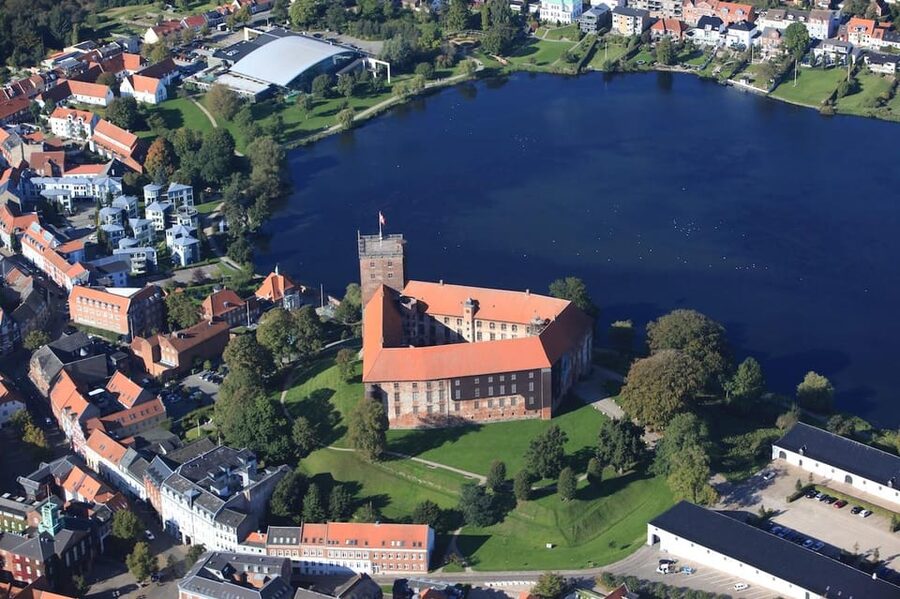
I like this setting because the castle does not feel detached from Kolding. From the mound and the tower, you can connect the royal site with the town, the fjord, and the water below. The views help explain why this was a useful defensive position, not just a grand place for royal ceremonies.
A few more Denmark half-days to weigh up
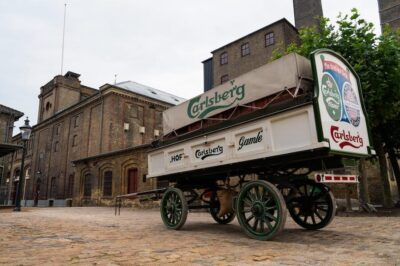
- Copenhagen: Home of Carlsberg Experience Entry Ticket
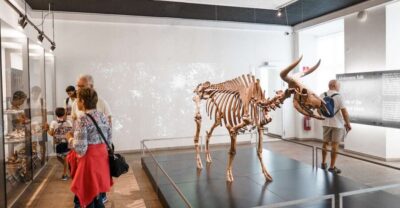
★ 4.7 · 1,009 reviews - Copenhagen: National Museum of Denmark Entry Ticket
★ 4.5 · 960 reviews - Copenhagen: Copenhagen Zoo Entry Ticket
★ 4.6 · 708 reviews
Entering the Castle Mound Above Kolding
Your visit begins with the approach to Koldinghus. The castle sits high above town, so the first impression comes from its position as much as from its walls. Take a moment outside before going in. The size, age, and damaged sections are easier to understand when you see the building as a whole.
Inside, your ticket gives access to the palace and all current exhibitions. The exhibitions change, so the exact displays will depend on your visit, but the museum setting means there is more here than bare stone and old rooms.
The castle works well for a self-guided visit. You can pause over architectural details, spend longer in an exhibition that catches your interest, or move on when younger family members run out of patience. Since the ticket is valid for one day, there is no need to treat the visit like a timed sprint.
A guided tour is not included. If you want a fuller explanation of the castle’s politics, architecture, and fire, you will need to rely on the museum displays or arrange guidance separately. That is the clearest difference between this entry ticket and a more structured castle tour.
Seeing the Fire Damage and Exner Restoration
The restoration is the heart of Koldinghus. Inger and Johannes Exner directed the final restoration in the late 1970s, creating a museum that respects the ruined building instead of disguising it.
The result is practical and theatrical without feeling like a theme park. Old walls remain visible, while modern additions help you use the spaces safely and understand their shape. This approach gives the castle a strong sense of place because the damage is part of the story, not something hidden behind fresh plaster.
The 1808 fire began while Spanish soldiers were billeted in the castle. It wrecked much of Koldinghus, and the Giants’ Tower collapsed into the castle chapel. That single event explains much of what you see today: missing sections, open spaces, and a building that feels suspended between ruin and renewal.
You may find the restoration more interesting than a fully furnished palace. There are fewer perfect rooms filled with original objects, but there is more to think about in the relationship between the surviving structure and the new work. I find that especially useful for anyone interested in architecture, preservation, or how museums handle damaged monuments.
The Former Chapel and Christian IV’s Mark
Around 1600, Christian IV created a chapel at Koldinghus. The fire destroyed the Giants’ Tower and crushed the chapel, leaving only the four walls of the room.
The chapel was not rebuilt during the later restoration. Instead, lighting suggests the lost architectural form. This is a quiet but powerful choice. You are asked to imagine the missing structure rather than being shown a new replica.
That restraint may not suit everyone. If you expect a complete royal chapel with original decoration, you could find the room sparse. I think the empty walls make the damage easier to grasp, especially when you know that the collapse of the tower caused the destruction.
Look closely at how light changes the room’s mood. The effect does not replace the lost building, but it gives you a sense of the former volume. This is one of the best places to slow down and let the architecture carry the story.
Same neighbourhood, a completely different afternoon:
- Copenhagen: Canal Cruise with Guide
★ 4.6 · 9,115 reviews - Copenhagen: Hop-On Hop-Off Bus Tour with Boat Tour Option
★ 3.9 · 4,122 reviews - Private Walking Grand Tour of Copenhagen
★ 5.0 · 3,953 reviews - From Copenhagen: Lund and Malmö 2-Country Tour
★ 4.7 · 2,772 reviews
Exhibitions and the Royal Dress-Up Workshop
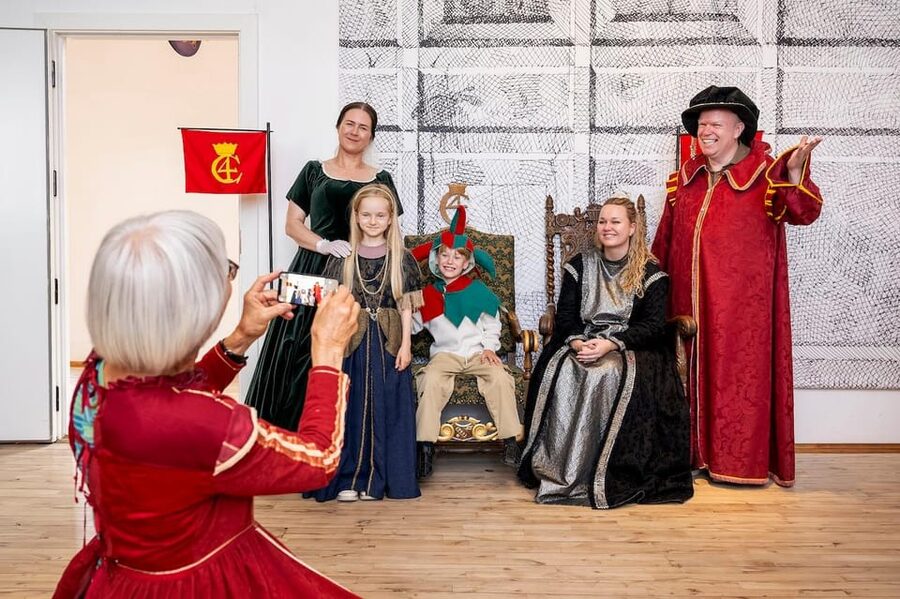
The entry ticket includes all exhibitions on display during your visit. Because the exhibition program varies, you should think of Koldinghus as both a historic castle and an active museum rather than a fixed collection of rooms.
The royal dress-up workshop adds a more playful note. It gives children a way to connect with the castle beyond reading labels and looking at masonry. Families may find this feature particularly useful because it breaks up the more serious historical material.
A child-focused activity also changes the pace for adults. You can enjoy the architecture while younger members of your group have something more hands-on to do. Two recent Danish bookings specifically praised the day as a good experience for children, which fits the way this workshop broadens the appeal of the castle.
Still, the workshop should not be your only reason for booking. The castle’s strongest features are the building, the restoration, and the views. Think of the dress-up area as a welcome extra rather than the main event.
Language support is worth considering. The information provided does not list a full range of languages, and a French visitor specifically noted a lack of French translations. If you do not read Danish or English comfortably, check the available interpretation before booking so you know what kind of support to expect.
Climbing Giants’ Tower for the Best View
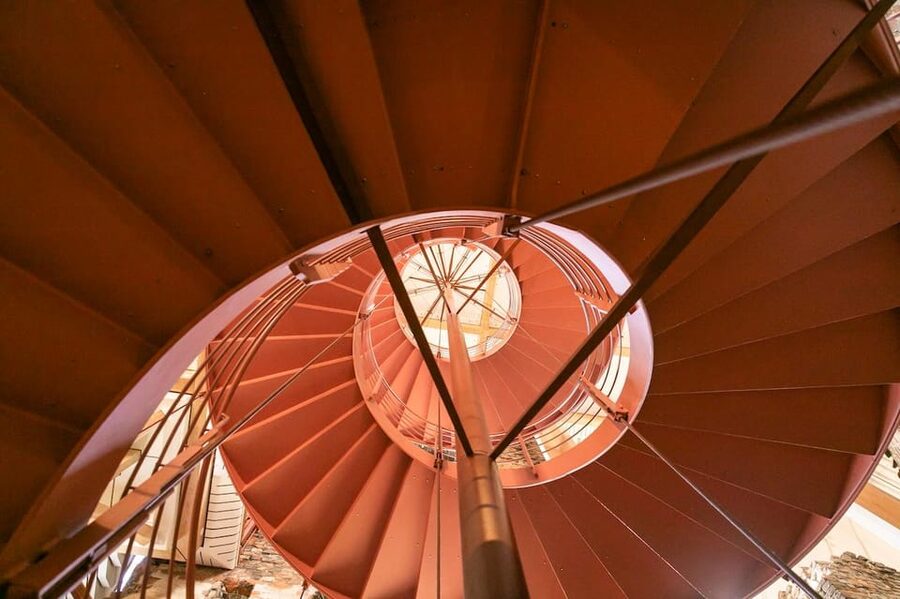
The Giants’ Tower has a difficult past and a useful present. Its collapse in the 1808 fire helped destroy the chapel, but the tower is now associated with one of the most appealing parts of a visit: the view.
From the tower, you can look over Kolding, the fjord, and the castle lake. The view gives you a better sense of the castle’s position than the interior alone. You can see why a royal stronghold was placed high above the town and how the water and surrounding ground shaped its setting.
I would save the tower for a moment when the weather is clear. Since the view is one of the main rewards of climbing, poor visibility may lessen the payoff. The supplied information does not state how many steps or what physical effort the climb requires, so ask on arrival if that matters for your group.
The tower also makes a good final stop. After several rooms and exhibitions, it gives you a simple visual ending. You can look back at the castle walls and connect the surviving building with the town below.
Lunch at Madkælderen
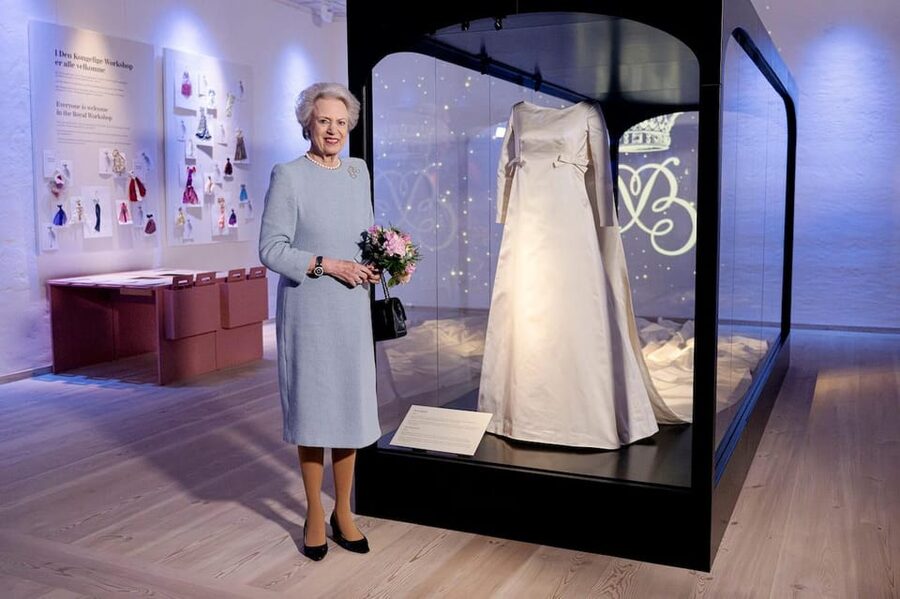
Madkælderen is the castle’s lunch option. It gives you a chance to break up the visit instead of leaving the site when you need food.
The ticket includes palace and exhibition entry, not lunch, so plan to pay separately for your meal. The available information does not provide a menu, prices, or opening details, so check those before relying on the restaurant for your schedule.
I like having food on site because Koldinghus can reward a slow visit. You can see the main building, take a break, and return to details you missed. If Madkælderen is closed or does not suit your plans, keep your meal flexible rather than building the entire day around it.
Food and drinks are not allowed inside the palace. That rule makes the lunch stop especially practical, since you should not plan to carry snacks through the exhibition areas.
Is the $21 Ticket Good Value?
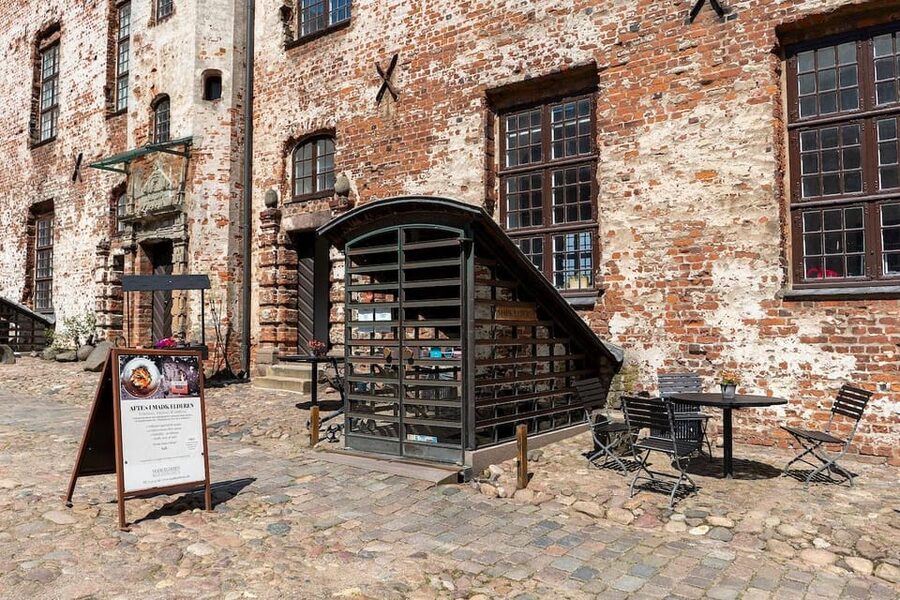
At $21 per person, Koldinghus is not a bargain basement attraction, but the price is fair if you use the full access. You get entry to the palace, the restored interior, the current exhibitions, the royal dress-up workshop, and the chance to climb the tower during a full day of validity.
The value is strongest for people who enjoy more than one part of a site. If you only want a quick photograph of the exterior, the ticket may feel expensive. If you care about royal history, architecture, exhibitions, and views, the admission covers several distinct parts of the visit.
Families may find the price easier to justify because the dress-up workshop gives children something active to do. The fact that one-day validity allows a slower visit also helps. You are paying for access across the day, not just a short walk through one exhibition.
The ticket includes no guided tour. That keeps the entry price simpler, but it also means you will not have an expert explaining each room as you go. I would choose this ticket if I am happy reading displays and setting my own pace. I would look for a guided option if historical detail is my top priority.
Free cancellation up to 24 hours before the visit and the option to reserve now and pay later add useful flexibility. The booking terms say you should check availability for starting times, so confirm the schedule before making a tight connection with another activity.
Who Will Enjoy Koldinghus Most?
Koldinghus suits several kinds of visitors:
- Families: The royal dress-up workshop can keep children involved, and the castle offers a clear mix of indoor rooms and outdoor views.
- History fans: The 1268 foundation, royal role, Spanish billeting, and 1808 fire give the site a strong historical arc.
- Architecture lovers: The Exner restoration shows how a ruined building can be given a new purpose without hiding its damage.
- Photographers: The castle mound, old walls, tower, town, fjord, and lake offer several useful angles.
- Independent visitors: The one-day ticket lets you move at your own speed without joining a set guided group.
- Museum visitors: The changing international exhibitions add reasons to return, though the exact program depends on your date.
You may enjoy it less if you want a fully furnished palace, a guaranteed guide, or extensive information in French. The site’s appeal comes from the mix of ruin, design, museum displays, and views.
Practical Details That Matter
The activity lasts one day, with starting times based on availability. You do not need to rush through the castle, but you should check the time offered before booking.
Oversize luggage and large bags are not allowed. Food and drinks are also prohibited inside, and pets cannot enter, although assistance dogs are allowed. Pack lightly and plan your meal around the visit.
There is no named guide attached to this entry ticket. You are buying admission rather than a guided experience, so your visit will be self-directed unless you arrange other help.
The experience provider is Den Kongelige Samling, also known as The Royal Danish Collection. That connection fits Koldinghus’s role as a former royal castle and museum of Denmark’s royal heritage.
Should You Book Koldinghus?
I would book Koldinghus if you want a castle visit with real architectural character rather than a perfectly reconstructed royal residence. The award-winning restoration, damaged chapel, changing exhibitions, dress-up workshop, and Giants’ Tower view give you enough variety for a worthwhile day.
Families should pay special attention to the workshop and flexible timing. Couples and solo visitors may appreciate the quiet drama of the ruined rooms and the chance to explore without a guide setting the pace.
I would hesitate only if you need full French translation, a guided tour included in the price, or a palace filled from floor to ceiling with original furnishings. For everyone else, $21 buys a thoughtful, atmospheric visit to one of Denmark’s most important castles.
FAQ
How old is Koldinghus?
Koldinghus is about 750 years old. It was built in 1268 to watch over Denmark’s southern border.
What does the entry ticket include?
The ticket includes entry to Koldinghus Palace and all exhibitions available during your visit.
Is a guided tour included?
No. A guided tour is not included with this entry ticket.
How long is the ticket valid?
The ticket is valid for one day. Check availability for the available starting times.
Can I climb the Giants’ Tower?
The experience includes the opportunity to take a trip in the Giants’ Tower and enjoy views over Kolding, the fjord, and the castle lake.
Is lunch included in the ticket?
No. You can have lunch at Madkælderen, but the ticket information does not include the meal.
Are food and drinks allowed inside?
No. Food and drinks are not allowed inside the palace.
Can I bring luggage or a pet?
Oversize luggage, large bags, and pets are not allowed. Assistance dogs are allowed.
Just added around Denmark
- Understanding Klaksvík: A Self-guided city tour in KlaksvÍk★ 5.0 · 3 reviews
- Copenhagen: Express Walk with a Local in 60 minutes★ 4.6 · 3 reviews
- Súðuroy Island Day Tour, Faroe Islands★ 4.5 · 3 reviews
- Copenhagen: 3 Hour Extended Grand E-Bike Guided Tour★ 4.6 · 3 reviews
- Aalborg: Express Walk with a Local in 60 minutes★ 5.0 · 3 reviews
- The Forgotten Giants Private Tour★ 5.0 · 3 reviews
- E Biking Adventure to Kronborg Castle★ 5.0 · 3 reviews
- Castles of Kronborg and Frederiksborg from Copenhagen by Car★ 4.5 · 3 reviews
Tickets, compared.