
Reviewed · COPENHAGEN TOURS
Explore Copenhagen: Self-Guided Audio Tour
Copenhagen’s best sights unfold in a neat historical chain on this self-guided audio walk, from City Hall Square to royal palaces, a huge marble dome, and the old center of government. You get directions, a map, and 13 audio files rather than a guide shepherding you from stop to stop.
I like the useful route instructions and the freedom to pause for coffee, photos, or a closer look. I also like the price: at $15.29, it is a low-cost way to add context to a first visit, especially if you do not want a fixed group schedule.
The catch is uneven audio quality. One review reports muffled background effects and static at higher volume, while another found the narrator too flat. Download everything before leaving, and bring headphones you trust.
Key points to know before you go
- Seven central Copenhagen sights: The route covers City Hall, the Round Tower, Rosenborg Castle, Marble Church, Amalienborg, the Royal Danish Theatre Play House, and Christiansborg’s Royal Kitchens.
- Thirteen audio files, not just seven: The extra files include route guidance and supporting material, so allow time to sort them before you begin.
- A helpful offline map: You receive a map along with audio directions, a useful backup if your phone GPS is slow or unreliable.
- Admissions are separate: None of the listed attractions includes an entry ticket, so the tour works best as an outdoor sightseeing route unless you choose to pay for interiors.
- Flexible start and finish: The stated start is City Hall Square at 9:00 a.m., with Tivoli Gardens listed as the end point, but you can choose your own starting and ending point.
- English only: The files are available only in English, and no physical audio device or guide is supplied.
City Hall Square sets the route in motion
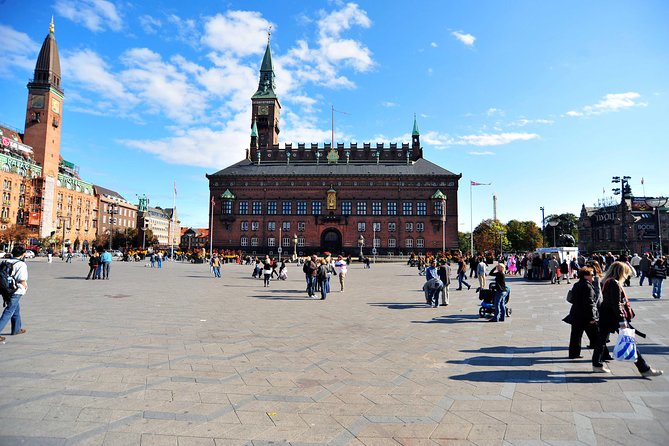
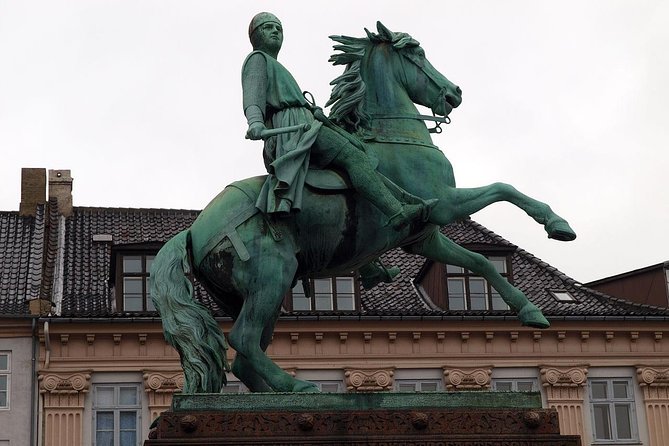
Begin at Rådhuspladsen, Copenhagen’s broad central square. City Hall faces the open space with an ornate brick front, a clock tower, and a gilded statue of Bishop Absalon above the front balcony.
The audio places the building in Copenhagen’s National Romantic movement, a style that looked to local materials, medieval forms, and national identity. Architect Martin Nyrop took inspiration from Siena’s city hall, which gives this stop a pleasant Italian connection without requiring a trip beyond the square.
You get about 15 minutes here. That is enough for the exterior, the square, and a quick orientation to the city center. Admission is not included, so treat this as an outside visit unless you decide to enter separately.
This is a sensible opening stop because it gives you a clear landmark and a simple place to test the audio. Start early if you want the square before the day gets busy, though the tour does not require you to keep moving at a fixed pace.
A few more Copenhagen half-days to weigh up
- Copenhagen: Hop-On Hop-Off Bus Tour with Audio Guide
★ 4.2 · 100 reviews - From Copenhagen: Malmö Self-Guided Tour w/ Transport Tickets
★ 4.5 · 55 reviews - Copenhagen Little Mermaid Exploration Game and Self-Guided Tour
★ 4.0 · 36 reviews
The Round Tower trades stairs for a spiral ramp
The Round Tower is one of Copenhagen’s more unusual buildings. Built in the 17th century as an astronomical observatory, it forms part of the Trinitatis Complex with Trinitatis Church and a former academic library for Copenhagen University.
The library opened in 1657 and once held the university’s entire collection, about 10,000 books. That detail helps you picture the building as part of a working center of scholarship, not merely an attractive tower in the old town.
Inside, the tower’s main oddity is its broad spiral ramp. Instead of climbing a conventional staircase, you walk upward through the winding passage. The route description allows 15 minutes here, which is enough for a look around but not a leisurely visit if you buy admission and want to reach the top.
The audio ticket does not cover entry. If you want the observatory experience, budget separately for admission and extra time. If you are saving money, the exterior and the explanation still make this a worthwhile stop.
The Round Tower also shows why the map matters. Old Copenhagen streets can be easy to follow once you know the landmarks, but having the route directions in the downloaded files is more useful than relying on GPS alone.
Rosenborg Castle brings Christian IV into view
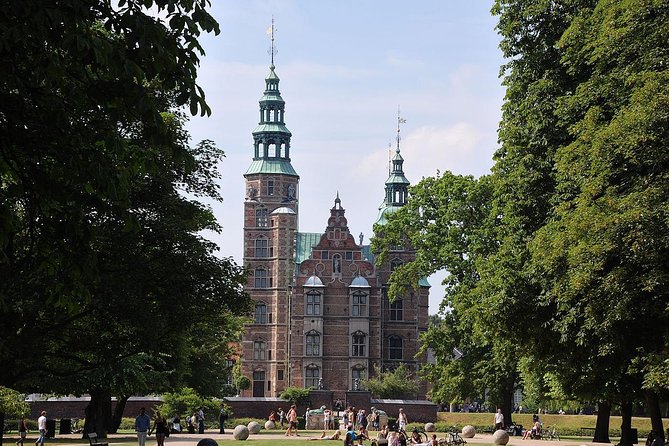
Rosenborg Castle introduces one of the city’s major royal building programs. King Christian IV commissioned many projects, and this castle reflects his taste for Dutch Renaissance design, with high gables and pointed spires.
The building was expanded several times and did not reach its current form until 1624. That slow growth is worth noting as you look at the exterior. You are not seeing a single burst of construction, but a royal project shaped over time.
The planned stop lasts 15 minutes. That suits a quick outside visit, though you may want more time if you decide to enter. Admission fees are separate, and the self-guided tour does not tell you that an interior visit is part of the price because it is not.
I like the way this stop adds architectural variety. City Hall is National Romantic, the Round Tower is a practical scientific building, and Rosenborg brings in the decorative language of the Dutch Renaissance. In a short route, you get a useful lesson in how Copenhagen changed across several centuries.
Marble Church gives the route its grandest dome
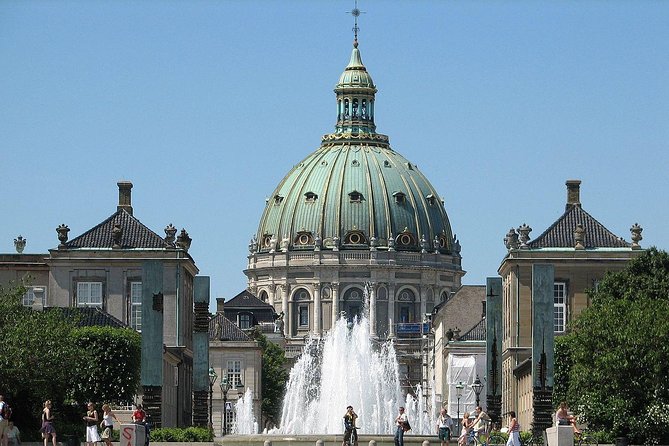
Frederiks Kirke, usually called Marble Church, is one of the most imposing stops. Its dome is the largest church dome in Scandinavia, and the building was planned as part of Frederiksstaden, a grand district begun under King Frederik V in 1748.
The official name, Frederik’s Church, connects the structure directly to the king who planned the district. The nickname Marble Church tells you what to look for, although the audio provides the more important point: this was not an isolated church project. It was part of a larger royal plan for a carefully designed quarter.
Again, the suggested time is 15 minutes. That is enough to admire the exterior and dome, but not necessarily enough for a slow interior visit, quiet sitting, and detailed architectural inspection.
The tour’s format works well here because you can stop the recording while you look. A live guide would need to keep the group moving or repeat information for people taking photographs. With the files on your phone, you decide how long the dome deserves.
Same neighbourhood, a completely different afternoon:
- Copenhagen: Canal Cruise with Guide
★ 4.6 · 9,115 reviews - Copenhagen: Hop-On Hop-Off Bus Tour with Boat Tour Option
★ 3.9 · 4,122 reviews - Private Walking Grand Tour of Copenhagen
★ 5.0 · 3,953 reviews - From Copenhagen: Lund and Malmö 2-Country Tour
★ 4.7 · 2,772 reviews
Amalienborg explains Copenhagen’s working monarchy
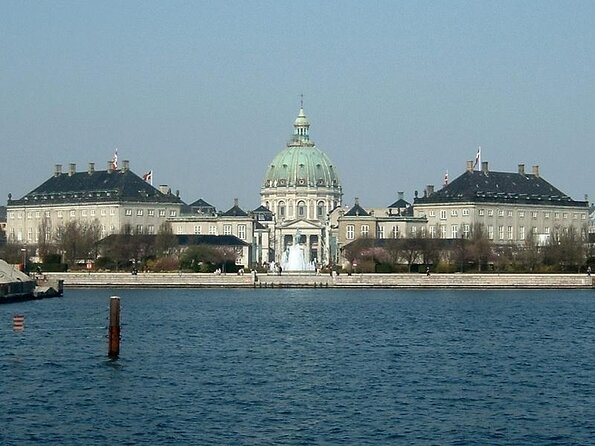
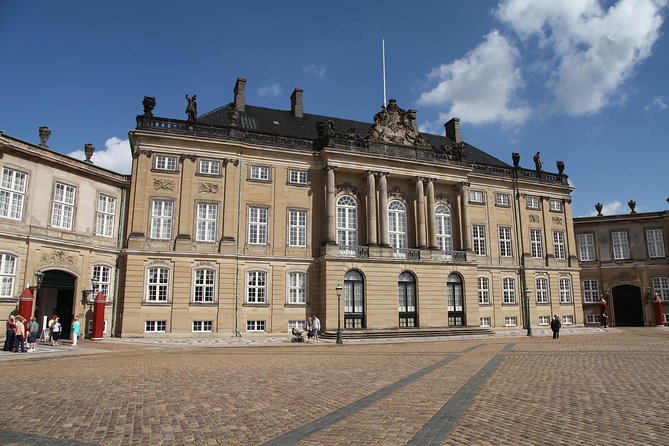
Amalienborg Palace is the present home of the Danish royal family, making it one of the route’s most important living institutions. The palace complex grew out of the planning for Frederiksstaden and was built around an octagonal layout.
The first palace on the site was built between 1669 and 1673 by Queen Sophie Amalie, wife of King Frederik III. Later, Frederik V dismantled the existing palace and replaced it with the octagonal complex seen today, intended as the crowning feature of Frederiksstaden.
This is more than another attractive palace frontage. The site helps connect urban planning, royal power, and present-day Denmark. You can look at the buildings as historic architecture while remembering that the complex still serves the royal family.
The audio allows about 15 minutes. That is a reasonable introduction, but it will feel brief if you want to watch ceremonial activity or enter the palace museums. Entry is not included, and the audio tour does not provide a separate royal residence experience beyond the stop itself.
For many people, this will be the emotional high point of the route. Rosenborg shows royal taste and construction, while Amalienborg shows the monarchy in its current setting.
The Royal Danish Theatre adds a performing arts chapter
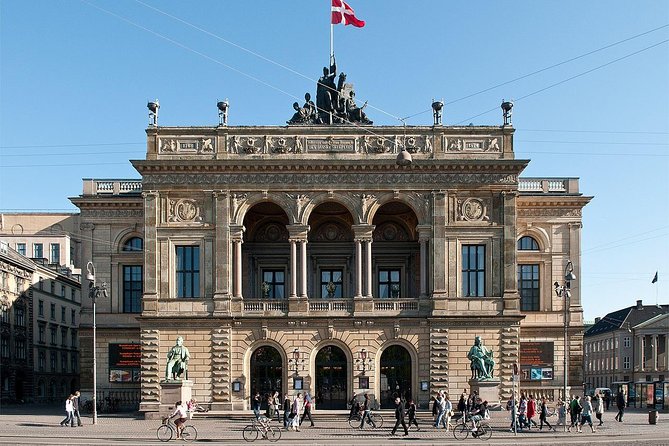
At the Royal Danish Theatre Play House, the route shifts from palaces and churches to public performance. The first theater on this site opened in 1748, with room for 800 people, eight actors, and four actresses. Early performances focused mainly on French comedies.
That first building soon proved too small for Copenhagen. It was rebuilt in 1774 for a larger audience, and the Royal Danish Theatre later became home to ballet, opera, and the royal orchestra.
The stop lasts 15 minutes, enough for a look at the building and a compact history of the institution. I appreciate this change of subject. A city tour made only of royal residences can feel repetitive, but the theater shows how Copenhagen’s cultural life grew alongside its court and government.
The route does not include a performance, theater admission, or transport. Think of this as an architectural and historical stop, not a theater outing. If you want to attend a show, that requires a separate plan.
Christiansborg’s Royal Kitchens connect four castles
The Royal Kitchens of Christiansborg Palace give the final major historical layer. Christiansborg has been built over the remains of four earlier castles, beginning with the fortress Absalon constructed on the island in 1167.
After the Hanseatic League destroyed Absalon’s castle, Copenhagen Castle was built over the ruins. That castle lasted for centuries and is remembered in part for its Blue Tower, where Leonora Christina, daughter of Christian IV, was held captive for almost 22 years.
The kitchen stop may sound less grand than a throne room, but it offers a practical view of palace life. Royal power depended on food, staff, storage, and elaborate household routines, and kitchens make that daily machinery easier to picture.
Allow 15 minutes as a starting point. If you purchase admission, you may want longer for the Royal Kitchens and other parts of Christiansborg. The ticket does not include the entry fee, so decide in advance how much of the palace you want to see.
The stated end point is Tivoli Gardens on Vesterbrogade. That gives you a useful place to continue your day, but the self-guided format lets you stop earlier or finish somewhere else according to your schedule.
How the downloaded audio works in practice
You receive a ZIP file with a map, 13 audio files, and other supporting files. The most important practical step is to download and unzip the material before you arrive at City Hall Square.
Do not assume you can solve this at the first stop. The instructions are in the Before You Go section of the ticket, and the files need to be ready on your phone before you start. A little preparation saves you from standing on a Copenhagen pavement trying to manage a ZIP folder with cold fingers and a low battery.
The audio includes directions to the destinations, not just historical commentary. That is a real strength. Many phone-based tours depend entirely on a GPS signal and leave you staring at a map when the signal drifts. Here, the map gives you a second way to check your position.
The audio quality is the main concern. One account describes background sound effects that muffled the speaker, with static when the volume was raised. Another found the facts useful but thought the narrator sounded as if he were reading without much interest.
I would use headphones rather than a phone speaker, keep the volume moderate, and test one file before setting off. If the recording sounds distorted, you want to find that out at the square rather than halfway across town.
What $15.29 gets you, and what it does not
At $15.29 per person, this is a modest purchase for a 2 to 3 hour introduction to central Copenhagen. You receive the audio files, a GPS map, route directions, and the freedom to set your own pace.
The price looks strongest if you mainly want outdoor sightseeing and background information. You can pause for photographs, skip a stop, or take a longer break without holding up a group. You also avoid paying for a live guide when you want only a basic orientation.
The value drops if you plan to enter several attractions. Admission is never included, and neither are transportation, food, drinks, or a separate audio device. Once you add palace and tower tickets, the total cost can rise well above the tour price.
Still, the audio can help you decide which interiors deserve your money. You might hear enough about Rosenborg, Amalienborg, or Christiansborg to choose one for a longer visit rather than paying to enter everything.
The listed maximum is 50 participants, but this is not a conventional group tour with everyone walking behind one guide. You use the files independently, so the practical experience remains personal even though the product has a stated booking limit.
Timing, walking, and who will enjoy it most
The listed start time is 9:00 a.m. at City Hall Square. Since you can choose your own starting and ending points, the time is best treated as a suggested beginning rather than a rigid departure with a guide.
The route requires a moderate level of physical fitness. Transportation is not included, so you should expect to move between the stops on your own unless you arrange local transport separately. The tour lasts roughly 2 to 3 hours, with 15 minutes assigned to each of the seven named stops, plus the time needed to get between them.
I would choose this for an independent visitor who likes structure but dislikes fixed schedules. It also suits repeat visitors who want historical context without committing to another full guided tour.
It is less suitable if you want lively conversation, spontaneous questions, or a guide who can adjust the story to your interests. It is also not the best choice if you prefer another language, since the tour is available only in English.
Service animals are allowed, and the route is near public transportation. The available information does not promise full accessibility at every stop, so anyone with mobility concerns should check the route and individual attractions before booking.
Small preparations that make the day better
Download the ZIP file before the tour date, unzip it, and confirm that the map and audio tracks open. Bring enough phone battery for several hours of playback and navigation.
Use headphones that let you hear speech clearly. Since the sound effects may compete with the narrator, a quiet listening setup matters more here than it would on a simple voice recording.
Keep the map available even when the GPS works. The route directions are one of the tour’s stronger features, and the map gives you control if your phone points you slightly off course.
Plan your admission choices before you leave. You can enjoy all seven locations from outside, but the Round Tower, Rosenborg, Amalienborg, and Christiansborg may tempt you inside. Knowing your budget and available time will prevent the audio route from becoming a rushed race between ticket counters.
Finally, leave room for real Copenhagen. The audio is a guide, not a command. Stop when the square, dome, palace, or street deserves a closer look, then resume the next file when you are ready.
Should you book this Copenhagen audio tour?
Book it if you want a low-cost English introduction to central Copenhagen, reliable route guidance, and the freedom to sightsee without a live group. The map and spoken directions make it more useful than a GPS-only product, and the seven stops cover a good range of civic, royal, religious, scientific, and cultural landmarks.
Skip it if clear, polished narration is essential, if you want admission fees bundled in, or if you expect a guide to answer questions as you go. The reported sound problems are not trivial, so prepare the files and test your headphones first.
For an independent visitor who values flexibility, $15.29 is fair. Just treat it as a well-organized outdoor orientation with optional paid interiors, not as a full guided tour of Copenhagen’s attractions.
FAQ
How long does the Copenhagen audio tour take?
The experience takes approximately 2 to 3 hours. Each of the seven listed stops is planned for about 15 minutes, with additional time needed to travel between them.
Where does the tour start?
The stated starting point is Rådhuspladsen, or City Hall Square, in Copenhagen. The listed start time is 9:00 a.m., but you can choose your own starting point because this is a self-guided tour.
Where does the tour end?
Tivoli Gardens on Vesterbrogade is listed as the end point. You may also choose a different ending point according to your schedule.
Is admission to the attractions included?
No. Admission fees are not included. Transportation, food, drinks, and an audio device are also separate.
What do I receive after booking?
You receive audio files and a GPS map for self-paced use. The download comes as a ZIP file with 13 audio files, a map, and other supporting files.
Is the tour available in languages other than English?
No. The tour is available only in English.
Just added around Copenhagen
- Copenhagen: Express Walk with a Local in 60 minutes★ 4.6 · 3 reviews
- Copenhagen: 3 Hour Extended Grand E-Bike Guided Tour★ 4.6 · 3 reviews
- The Forgotten Giants Private Tour★ 5.0 · 3 reviews
- Copenhagen: Self Guided Scavenger Hunt and Tour★ 4.0 · 3 reviews
- Castles of Kronborg and Frederiksborg from Copenhagen by Car★ 4.5 · 3 reviews
- Departure by Luxury Vehicule Copenhagen to Copenhagen airport CPH★ 5.0 · 3 reviews
- Private Transfer Copenhagen Airport CPH to Copenhagen by Sedan★ 4.5 · 3 reviews
- Copenhagen: Evening Gourmet Walk with Food & Drinks Tasting★ 5.0 · 3 reviews
Copenhagen Tours, compared.
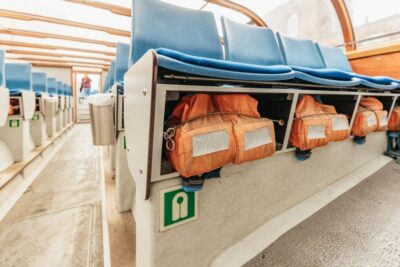
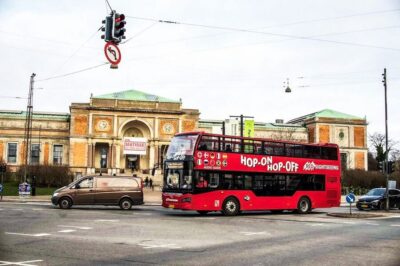
Hop-On Hop-Off Bus Tour with Boat Tour Option
Read our review →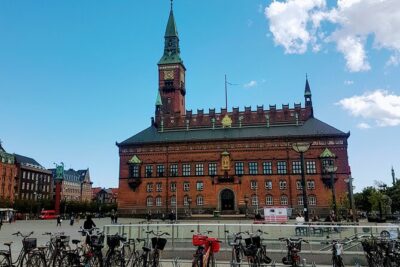

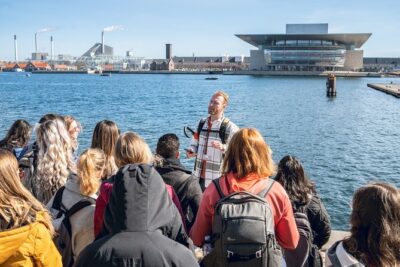
Highlights 3 Hour Bike Tour with a Local Guide
Read our review →
Hamlet and Sweden Tour – Two Countries in one day !
Read our review →
Browse the lists this tour appears in