
Reviewed · COPENHAGEN TOURS
Copenhagen: Danish War Museum Entry Ticket
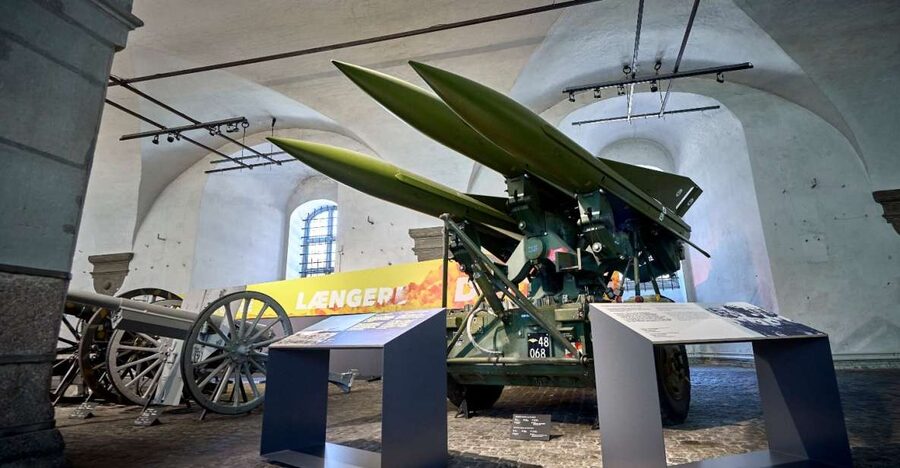
The Danish War Museum puts centuries of conflict under one remarkable roof: the 1604 Tøjhus Arsenal, built for Christian IV and still marked by its original military purpose. Inside, you move from shining armor and early firearms to World War II, the Cold War, Afghanistan, and the uneasy future of drone warfare.
I like two things especially. First, the 163-meter first-floor hall gives the museum a sense of scale you do not get in a standard gallery. Second, the displays mix serious military objects with odd, memorable pieces, including a ship model made from bones, a 150-year-old biscuit, and a complete American Civil War uniform. The main drawback is practical: there is currently no elevator to the first-floor exhibitions.
Key points
- The 163-meter hall: Walk through the longest room in the Nordic countries, housed in Copenhagen’s former arsenal.
- Five centuries of warfare: Follow Denmark from the 1500s through the Swedish wars, conflicts with England, World War II, the Cold War, and Afghanistan.
- Unusual objects: Look for a bone ship model, an old military biscuit, and a vehicle that survived a roadside bomb in Afghanistan.
- A thoughtful family pause: Sit in a hammock and listen to Danish stories connected with the seven seas.
- A current debate: The drone exhibition asks how unmanned weapons are changing modern battlefields.
- Flexible timing: Your ticket is valid for one day, and the museum is priced at about $20 per person.
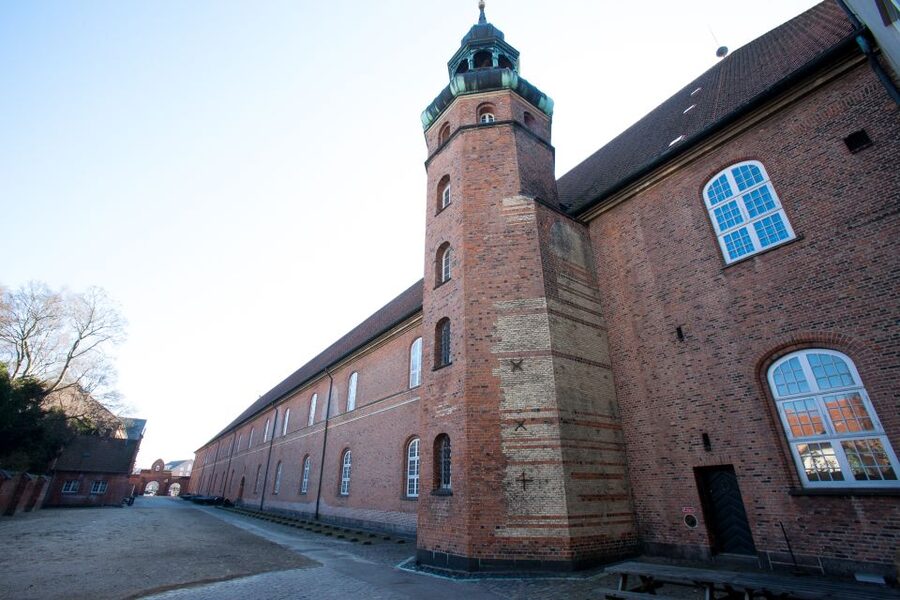
Inside Copenhagen’s 1604 Tøjhus Arsenal
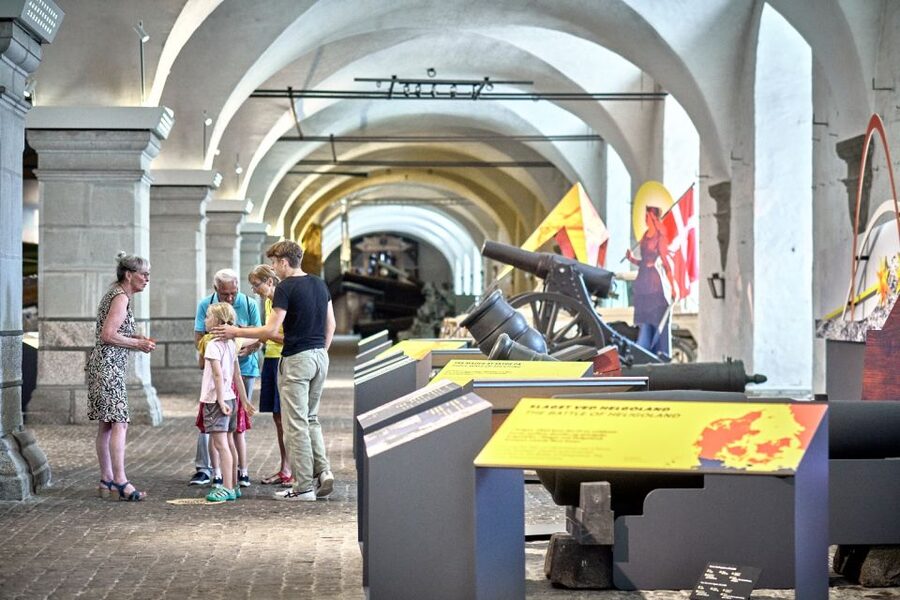
The building is part of the experience. Christian IV had the Tøjhus constructed in 1604 as an arsenal, so this is not simply a modern museum placed inside an old shell. The long first-floor hall was designed to hold military equipment, and its size helps you understand how central weapons and supplies were to the Danish state.
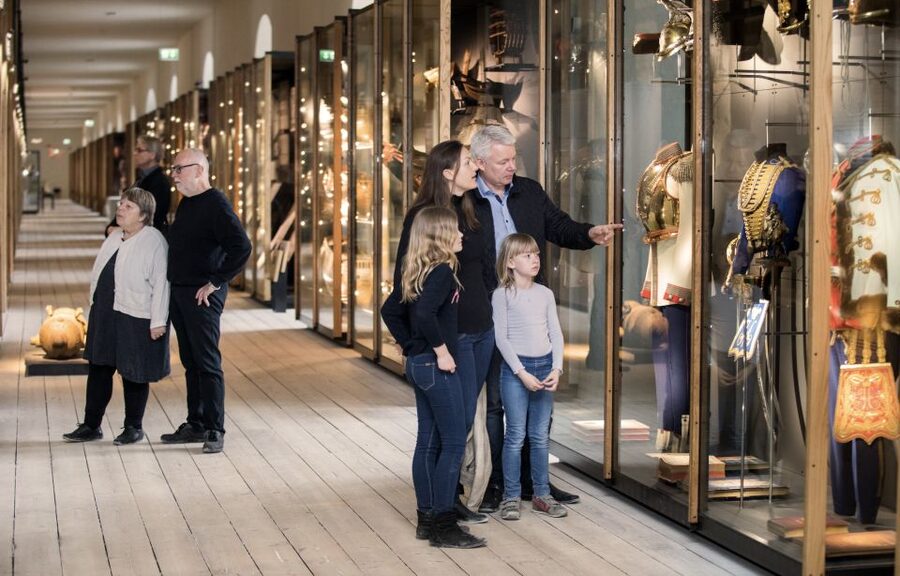
At 163 meters, the hall is described as the longest room in the Nordic countries. That measurement is not just a bit of trivia. It changes how you move through the museum. Instead of hopping between small rooms, you follow a broad chronological route, with Denmark’s military story unfolding across a long architectural stage.
I suggest taking a moment at the entrance to get your bearings. The hall can feel like a grand warehouse of military memory, and the sheer number of objects may seem daunting at first. Give yourself permission to pause at the sections that catch your attention rather than trying to read every label.
The ticket is valid for one day, so you have room to set your own pace. A focused visit can cover the central displays in less time, while a history-minded visitor can spend much longer with the objects and written explanations.
More museums in Copenhagen:
- Copenhagen: National Museum of Denmark Entry Ticket
★ 4.5 · 960 reviews - Copenhagen: Amalienborg Palace Museum Entry Ticket
★ 4.3 · 291 reviews - Exhibition – Home of Carlsberg
★ 4.5 · 281 reviews
Armor, weapons, and Denmark’s early wars
The oldest displays bring you face to face with the equipment of Danish knights. Shining armor from the 15th century offers an immediate sense of how warfare once depended on metal protection, close combat, and the status of the person wearing it.
You will also see weapons from later centuries, which helps show how quickly military technology changed. The museum does not treat early weapons as isolated antiques. Placed along a timeline, they become evidence of shifting tactics, political pressure, and the rising power of firearms.
The 17th-century wars with Sweden form one important part of the visit. Denmark and Sweden were frequent rivals, and the displays give that long contest a physical presence through armor, weapons, and military objects.
The 19th century brings Denmark’s conflicts with England. These sections help broaden the picture beyond land battles. Denmark’s position on the water made naval power and trade central to its security, a theme that returns in the museum’s maritime material and stories from the seven seas.
I find this early section most useful if you are not already familiar with Danish history. You do not need a specialist background to follow the main thread. The objects show you how a small European kingdom defended itself, fought its neighbors, and adapted as weapons changed.
The museum’s unexpected objects
Military museums can become a blur of uniforms, rifles, and formal portraits. The Danish War Museum avoids that problem with objects that are strange enough to fix themselves in your memory.
A ship model made of bones is one of the museum’s most unusual pieces. Its material alone invites questions about who made it, why it was made, and what life at sea might have been like. It also connects military history with captivity, hardship, craft, and patience, even if you simply encounter it as an arresting object.
You can also see a 150-year-old biscuit. It is a small thing, but that is exactly why it works. Military life is not only about battles and commanders. Food, supplies, travel, and survival shape what soldiers can do, and an old biscuit makes that practical side hard to ignore.
Another object is a vehicle that ran over a roadside bomb in Afghanistan while everyone inside survived. This brings a much more recent conflict into the same building as medieval armor. The vehicle is not an abstract account of a distant war. It is a large, damaged reminder of the risks faced by modern military personnel.
The world’s only complete example of a uniform from the American Civil War adds another international connection. Denmark’s military story is the main focus, but objects such as this show how the museum can place Danish experiences alongside wider military events.
These pieces are particularly useful if you are visiting with children or with someone who does not want a long sequence of dates. A bone ship, a biscuit, and a bomb-damaged vehicle give you natural stopping points and easy conversation starters.
From World War II to the Cold War
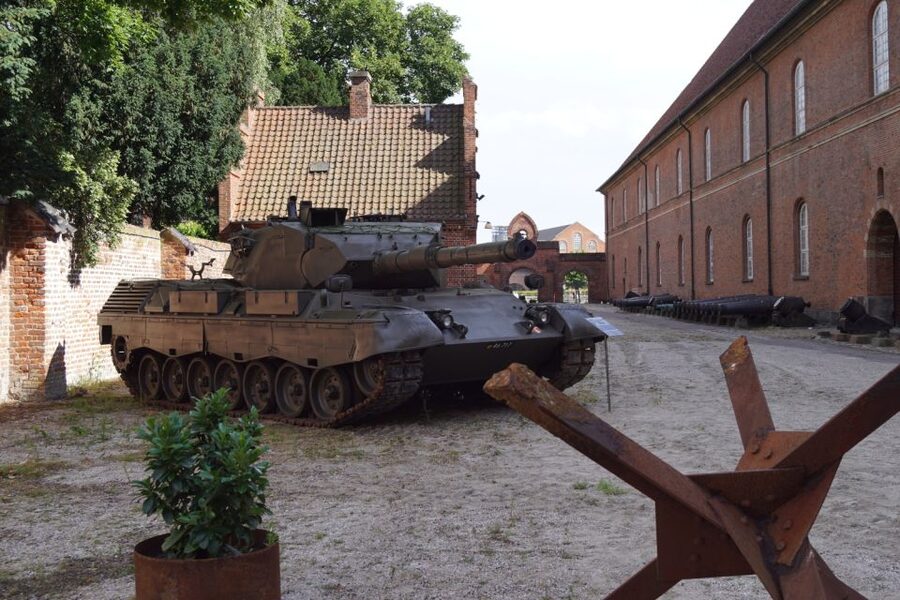
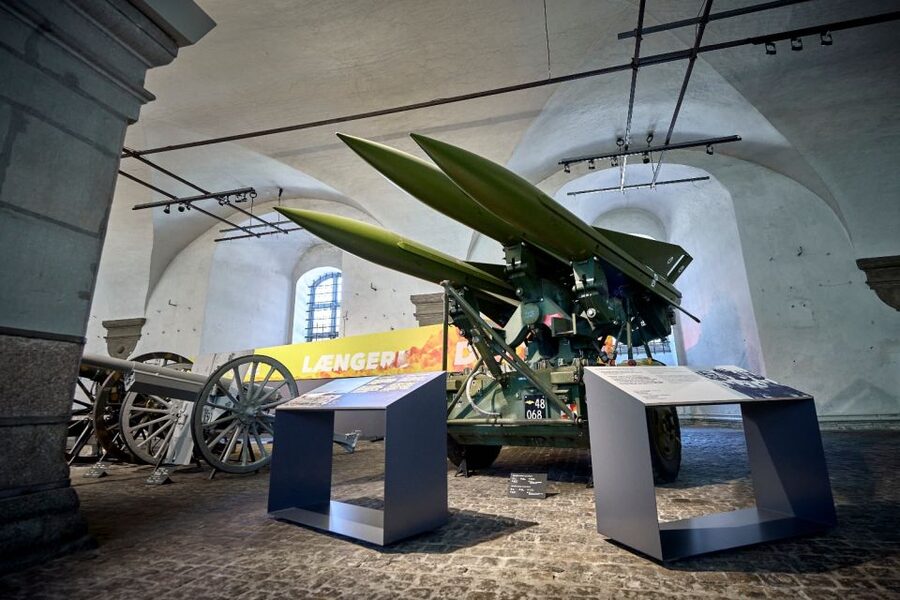
The museum’s later sections move into the conflicts that shaped modern Denmark. World War II and the Cold War affected the country in very different ways, and the displays help connect national experience with larger changes in Europe.
World War II is a useful turning point in the visit because the machinery, uniforms, and political setting feel closer to the present. The Cold War then shifts attention toward long-term tension, military readiness, and the fear of conflict between major powers.
I appreciate this part of the museum because it shows that military history is not only a record of battles. It is also about preparation, uncertainty, and how ordinary life can be influenced by events that may never become open warfare.
The chronological route makes the transition easy to follow. You begin with armor and early weapons, then move through conflicts with Sweden and England, before reaching global wars and modern deployments. That structure gives you a clear framework without requiring a guided tour.
The museum does not provide a guide’s name or a scheduled personal tour in the information available for this ticket. You should therefore expect a self-guided visit, with the displays and objects doing the teaching. If you prefer a guide who explains every section aloud, this may feel less personal. If you like stopping when you want and skipping what does not interest you, the format works well.
A few more Copenhagen half-days to weigh up
- Copenhagen: Canal Cruise with Guide
★ 4.6 · 9,115 reviews - Copenhagen: Hop-On Hop-Off Bus Tour with Boat Tour Option
★ 3.9 · 4,122 reviews - Private Walking Grand Tour of Copenhagen
★ 5.0 · 3,953 reviews - From Copenhagen: Lund and Malmö 2-Country Tour
★ 4.7 · 2,772 reviews
A hammock, Danish sea stories, and a change of pace
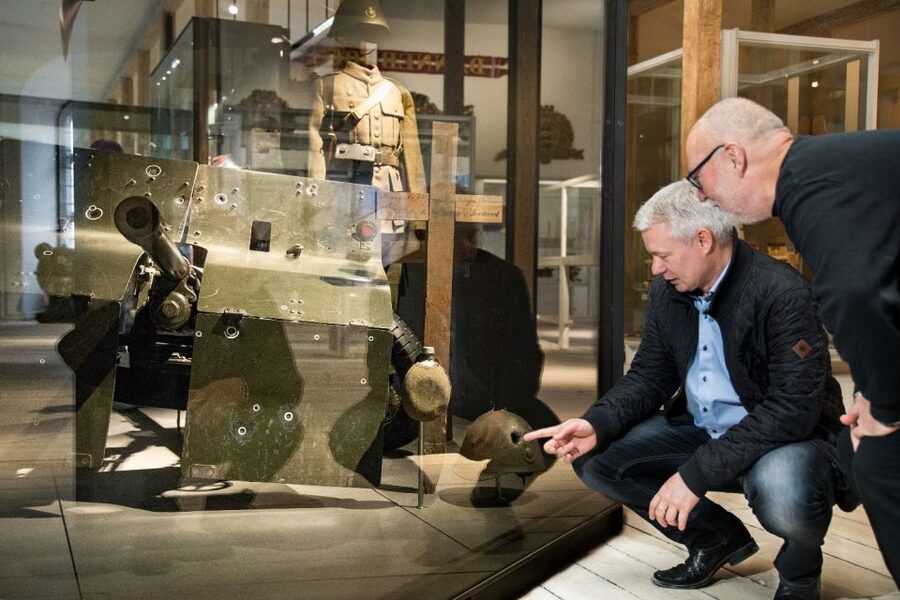
One of the museum’s more relaxed features is a hammock where you can sit and listen to Danish stories from the seven seas. This is a welcome break from standing among weapons and military equipment.
The hammock also reflects the importance of the sea to Denmark. Naval power, trade, sailors, and distant journeys all form part of the country’s military story. Rather than giving you another case filled with objects, this area uses sound and rest to create a different way into the subject.
I would make time for it instead of treating it as a novelty to pass quickly. Museums covering war can become heavy, particularly when you reach modern conflicts. A seated listening point gives you a chance to slow down, absorb the setting, and let the maritime side of Danish history come forward.
It may also help families manage the visit. Younger children may not want to read long descriptions, while a hammock gives them something physical and different to do. The museum still focuses on serious subjects, but this feature keeps the experience from feeling like one long march through display cases.
Afghanistan and the human cost of modern war
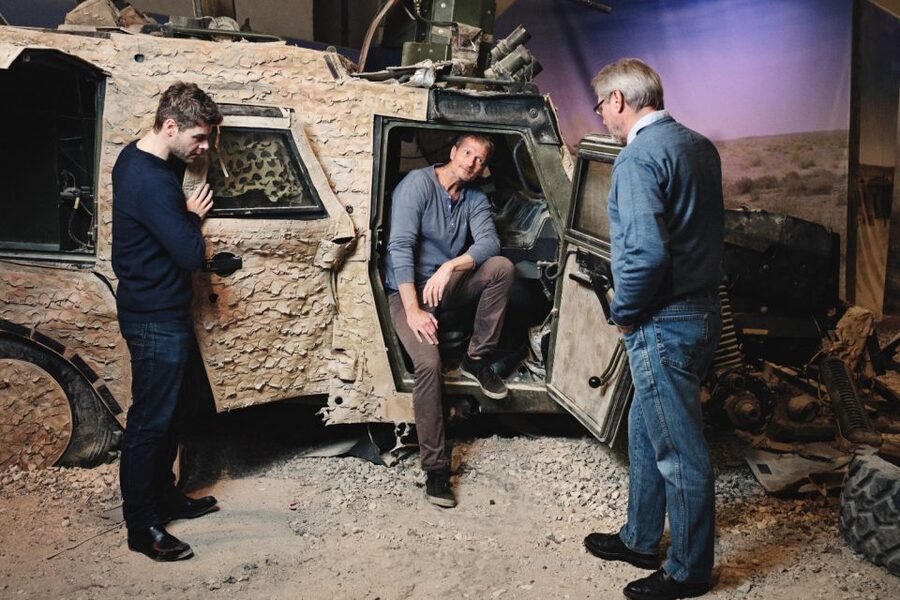
The Afghanistan material brings the museum into the present day. The surviving military vehicle is the clearest physical link, showing how roadside bombs shaped the danger of deployment and the equipment used to protect personnel.
This section matters because it closes the chronological gap between historic warfare and current events. The armor of a medieval knight can seem remote. A vehicle damaged by a roadside bomb feels much closer, and it makes modern military decisions easier to consider in human terms.
I would not expect the museum to give you a complete account of every political issue surrounding Afghanistan from the information provided. Instead, you get a museum-based look at Denmark’s role in 21st-century conflicts, supported by material evidence.
That approach suits visitors who want context without spending an entire day at a specialist military archive. It also gives Danish military participation a place within the broader national story, rather than leaving the museum focused only on wars fought centuries ago.
The drone exhibition asks difficult questions
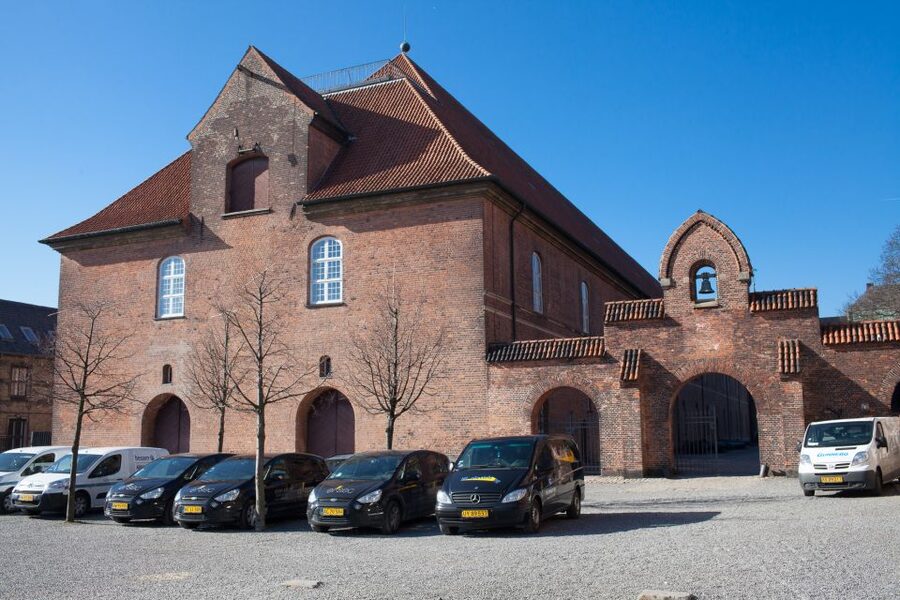
The new exhibition on drones turns from past equipment to future warfare. It asks whether drones have changed the way wars are fought and how unmanned aircraft might affect battlefields in the years ahead.
The topic is timely. Videos of drone attacks circulate widely, and modern conflicts in Ukraine and elsewhere have made unmanned weapons familiar even to people who have never studied military technology. The exhibition considers how drones use cameras and sensors to monitor people and places, and how their presence can create fear among both soldiers and civilians.
It also raises harder questions. Could drones develop into weapons that operate on their own? Can Denmark’s current defense systems stop a drone attack? These are not simple display-label questions. They touch on responsibility, distance, surveillance, and the possibility of machines making life-and-death decisions.
I like this addition because it prevents the museum from ending with the past. You are asked to think about what military technology means now, not just admire old armor and weapons.
The drone section may be the most thought-provoking part of the visit, but it may also feel more unsettling. The subject includes fear, bombing, and the fact that cameras and sensors can make people feel watched anywhere. I would give it time, especially if you want a museum visit that raises questions rather than offering only familiar historical answers.
Is the $20 ticket good value?
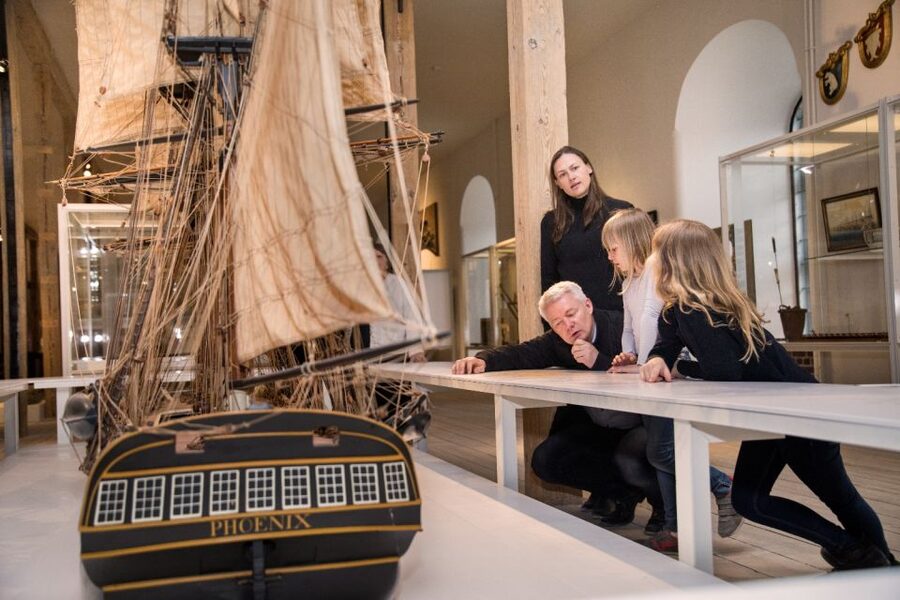
At about $20 per person, the ticket is a fair buy if you enjoy military history, historic buildings, or museums with an unusual collection. The one-day validity gives you flexibility, and the museum covers more than five centuries, from the 1500s to Denmark’s role in Afghanistan and current drone warfare.
The value is strongest for visitors who will spend time with the long hall, early weapons, maritime material, modern conflicts, and the drone exhibition. You are not paying only for a short collection of famous objects. You are paying for a large setting and a broad chronological route.
The value is less clear if you want a quick, light attraction with little reading or serious subject matter. War museums can be demanding, and this one includes difficult themes. The long first-floor hall may also be tiring for anyone who has trouble standing or walking for extended periods.
A rating of 4.7 from 106 recorded ratings suggests a strong level of satisfaction, and the most useful praise points to the museum’s beautiful layout, fascinating information, and large amount to see. That matches the practical impression I would give you: plan enough time, and the ticket offers substance rather than a brief photo stop.
Accessibility and practical planning
The most important limitation is the lack of an elevator to the first-floor exhibitions. The museum is working on accessibility issues, but you should consider this before booking if stairs are difficult for you.
You can bring your own wheelchair or baby carriage. The available information does not state that the museum supplies wheelchairs, so plan to bring your own if needed.
The experience is listed as lasting one day, but that means the ticket’s validity rather than a fixed guided schedule. Check the available starting times when booking, since the ticket information asks you to confirm availability.
Free cancellation is available up to 24 hours in advance for a full refund. You can also reserve now and pay later, which is useful if you are arranging several Copenhagen plans and want to keep your schedule open.
I would place the museum on a day when you are willing to read, pause, and think. The hammock offers a rest, but the first-floor route and large collection still require energy.
Who will enjoy the Danish War Museum most?
I would recommend this museum to you if you like:
- Military objects that show how technology and tactics changed
- Historic buildings with a clear connection to their original use
- Danish and European history from the 1500s onward
- Naval stories, unusual artifacts, and maritime culture
- Modern questions about Afghanistan, surveillance, and drone warfare
- Museums where you can set your own pace
Families can make good use of the unusual objects and hammock, though some displays deal with serious violence and may need explanation for younger children. The museum also suits visitors who know little about Denmark’s wars because the chronological arrangement gives you a basic route through the subject.
I would be more cautious about recommending it to someone seeking a short, purely decorative museum. This is a substantial military collection in a very long hall. You will get the most from it if you are ready to engage with both the objects and the questions behind them.
Should you book the Danish War Museum?
Book it if you want a thoughtful Copenhagen museum that combines a striking arsenal building, five centuries of military objects, and current debate about drone warfare. The 163-meter hall, bone ship, old biscuit, Civil War uniform, and Afghanistan vehicle give you plenty of memorable stopping points.
Skip it if stairs are a serious problem, since there is no elevator to the first-floor exhibitions, or if war-related subjects are not your interest. For everyone else, the $20 ticket is a sensible choice, especially if you allow time to move beyond the famous armor and consider how Denmark’s military role continues into the present.
FAQ
Where is the Danish War Museum located?
The museum is in the Zealand Region of Denmark, inside the historic Tøjhus Arsenal in Copenhagen.
What building houses the Danish War Museum?
The museum is housed in the Tøjhus Arsenal, built by Christian IV in 1604 and originally used as an armory.
How long is the museum’s first-floor hall?
The first-floor hall is 163 meters long and is described as the longest room in the Nordic countries.
What periods does the museum cover?
The exhibitions cover Danish military history from the 1500s through the present day, including the Swedish wars, conflicts with England, World War II, the Cold War, and the war in Afghanistan.
What unusual objects can I see?
The museum includes a ship model made of bones, a 150-year-old biscuit, a military vehicle that survived a roadside bomb in Afghanistan, and the world’s only complete American Civil War uniform.
Does the museum have an exhibition about drones?
Yes. A new exhibition examines how drones have changed warfare, how they may affect future battlefields, and whether current Danish defense systems can stop drone attacks.
Is there an elevator to the first-floor exhibitions?
No. There is currently no elevator to help visitors reach the first-floor exhibitions.
Can I bring a wheelchair or baby carriage?
Yes. You can bring your own wheelchair or baby carriage.
Just added around Copenhagen
- Copenhagen: Express Walk with a Local in 60 minutes★ 4.6 · 3 reviews
- Copenhagen: 3 Hour Extended Grand E-Bike Guided Tour★ 4.6 · 3 reviews
- The Forgotten Giants Private Tour★ 5.0 · 3 reviews
- Castles of Kronborg and Frederiksborg from Copenhagen by Car★ 4.5 · 3 reviews
- Departure by Luxury Vehicule Copenhagen to Copenhagen airport CPH★ 5.0 · 3 reviews
- Copenhagen: Self Guided Scavenger Hunt and Tour★ 4.0 · 3 reviews
- Private Transfer Copenhagen Airport CPH to Copenhagen by Sedan★ 4.5 · 3 reviews
- Copenhagen Craft BeerWalk City Center★ 4.4 · 3 reviews
Copenhagen Tours, compared.

Hop-On Hop-Off Bus Tour with Boat Tour Option
Read our review →


Highlights 3 Hour Bike Tour with a Local Guide
Read our review →
Hamlet and Sweden Tour – Two Countries in one day !
Read our review →
Browse the lists this tour appears in