
Reviewed · WALKING TOURS
Odense: City walk – The new green Odense – City development
Odense is not presented here as a postcard city frozen around H.C. Andersen. This two-hour walk follows the city’s remake, from old streets to the harbor, former industrial ground, and a new district built where a six-lane road once cut through the center. I like the clear focus on how a city works, not just what it looks like. I also like the small groups and the chance to ask a local guide direct questions. The one drawback is simple: you need to be happy walking about 4 kilometers, or roughly 5,500 steps.
The tour is especially useful after you have seen Odense on your own. Guides including Jørn Asmussen and Johan explain the decisions behind the new streets, housing, transport, and public spaces, often using old photos to show how much has changed. If you want only famous sights and quick photo stops, this may feel too talk-heavy. If you want to understand modern Denmark, it is a smart use of two hours.
Key points at a glance
- A city changed by one major road project: Walk through an area where a six-lane main road once ran through central Odense.
- The harbor is part of the story: See how the port helps explain Odense’s move away from its industrial past.
- A former industrial area is becoming a new district: The route shows urban change while it is still happening.
- Small groups make conversation practical: You have room to ask about housing, education, transport, and daily life.
- English and German guiding: Guides such as Jørn Asmussen and Johan have been praised for clear German and engaging conversation.
- A 4-kilometer round trip: Start and finish in the old center, with no transport needed between stops.
Why this Odense walk is different
Many city walks explain what happened centuries ago. This one asks what Odense is trying to become. You look at the city as a living project, with arguments about traffic, affordable housing, public space, jobs, and the role of young people in the center.
That gives the route a useful edge. You do not simply pass a handsome building and hear its date. You learn why a former industrial area is being rebuilt, how the harbor fits into the plan, and what happens when a city removes a major road from its center.
I particularly like the use of older photographs. They help you compare the present streets with the industrial and traffic-heavy city that came before. A new square or pedestrian area can seem ordinary until you see what occupied the same space only a few years ago.
The discussion also reaches beyond architecture. You can ask about the Danish education system, the economy, infrastructure, everyday life, and changing living conditions. One conversation even ranged into life in Greenland, showing that the format leaves room for questions rather than forcing every minute into a fixed script.
More walking tours in Denmark:
- Private Walking Grand Tour of Copenhagen
★ 5.0 · 3,953 reviews - Copenhagen Highlights Walking Tour
★ 5.0 · 2,324 reviews - Politically Incorrect Private Highlights Walking Tour
★ 5.0 · 1,244 reviews
Starting at Overgade 3 in the old center
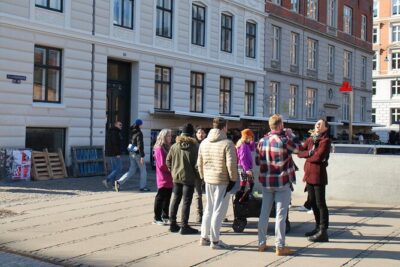
The meeting point is Overgade 3, on the pedestrian street or mall. Look for the small ruin, along with the guide carrying a KnowledgeWalks sign. The meeting spot is compact, so finding the group should be straightforward.
Starting in the old part of Odense is a good choice. You begin with the familiar city center, then gradually move toward areas shaped by industry and recent planning. That contrast gives the walk its structure.
Your guide sets the tone early. The experience depends heavily on conversation and explanation, so a friendly, engaged guide matters more here than theatrical storytelling. Jørn Asmussen has led the walk in German and English, and Johan has also guided it. You can expect a local perspective rather than a standard script aimed at large crowds.
The route returns to Overgade 3, making it a round trip. That helps with planning because you do not need to arrange a bus, taxi, or second meeting point at the end.
Albani Torv and the first look at change
The first substantial stop is Albani Torv, where about 30 minutes are set aside for guided discussion. This is a useful place to frame the city’s wider changes before walking farther from the historic core.
Here, the focus is not simply on admiring the square. You start thinking about how the center functions, who uses it, and how public areas connect with housing, business, and traffic. The guide can place the later harbor and redevelopment stops into context.
I would pay close attention at this stage, even if the setting looks familiar. The tour’s best information often comes from links between places: an old street and a new traffic plan, a former industrial site and a housing question, or a public square and the daily life of residents.
The 30-minute stop also tells you what kind of experience this is. It is not a brisk march from sight to sight. You will spend time listening, asking questions, and examining why Odense developed as it did.
Donkey Republic and the practical city
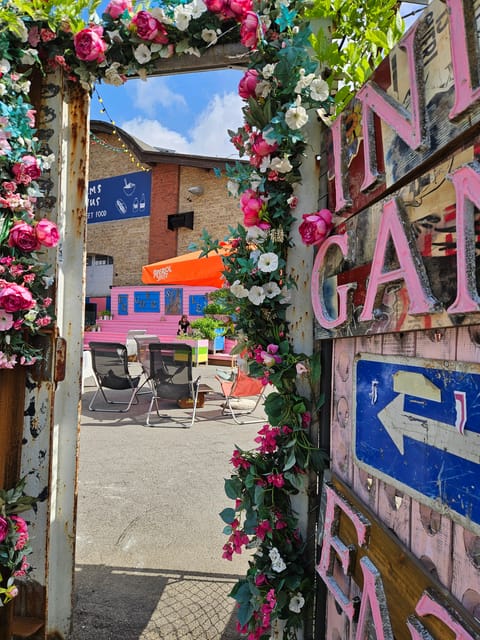
The route then reaches Donkey Republic, with another 30-minute guided section. The name points to the city’s cycling and mobility conversation, and this part helps connect infrastructure with daily life.
Odense’s transformation is not only about planting trees or improving façades. A green city needs ways for people to move around without relying on large roads and heavy traffic. This stop gives the guide a chance to discuss how transport choices affect the shape and feel of the center.
You may find this section especially useful if you are curious about Danish urban habits rather than tourist sights. Ask about cycling, public access, road planning, and how young people move through the city. The small-group format matters here because these topics work best as a conversation.
One caution: the tour gives you context, not a technical planning seminar. The material is broad, covering infrastructure alongside education, economy, and housing. That variety keeps the walk human, but anyone looking for detailed engineering data may want a more specialized source.
A few more Denmark half-days to weigh up
- Copenhagen: 3-Hour City Highlights Bike Tour with Guide
★ 4.7 · 1,239 reviews - Copenhagen: Group Walking Tour – City Highlights – 2 Hours
★ 4.7 · 1,088 reviews - City Sightseeing Copenhagen Hop-On Hop-Off Bus Tour
★ 3.5 · 800 reviews - 3-hour Copenhagen City Highlights Bike Tour
★ 5.0 · 757 reviews
Odense Harbor and the industrial past
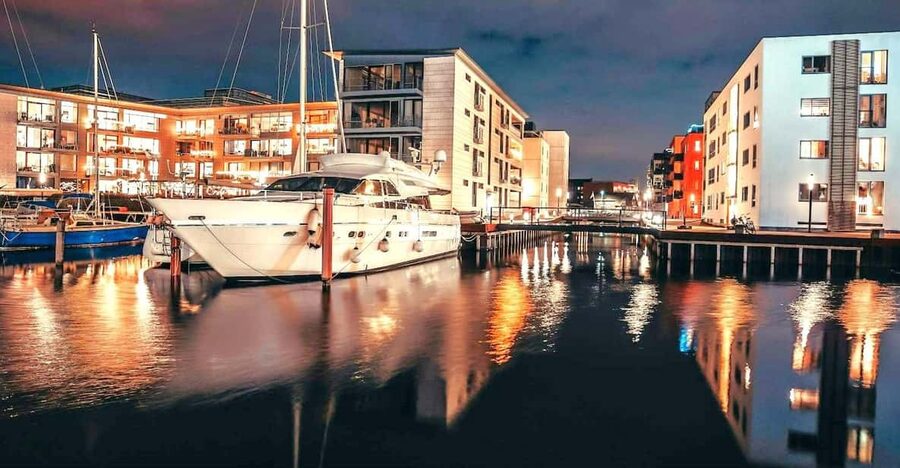
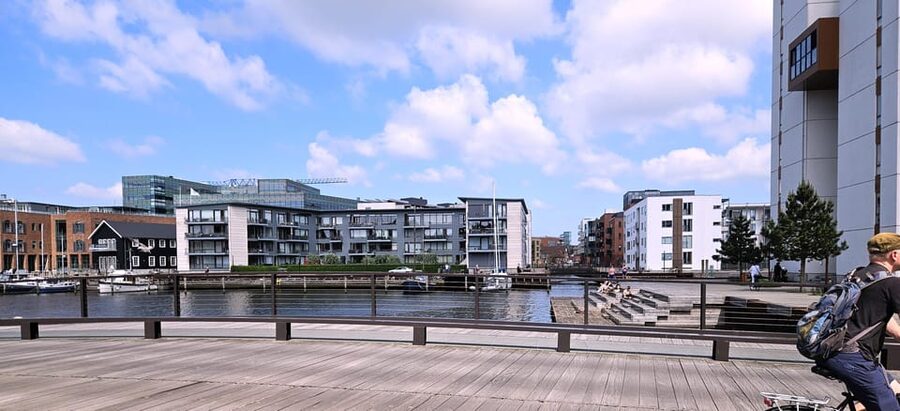
The harbor receives about 30 minutes, making it one of the route’s main stops. It symbolizes the city’s shift from an old industrial base toward a more modern and green identity.
Harbors often show a city in transition clearly. They connect work, transport, land use, and redevelopment in one place. At Odense’s port, the guide explains how the area relates to the city’s past and to its future plans.
This is also where the tour moves beyond the neat historic center. You see parts of Odense that a standard sightseeing route might skip, and that is the point. The walk asks you to judge how successful the change feels, not simply to admire a preserved monument.
I appreciate that the experience does not treat redevelopment as automatically good. New districts can bring cleaner public areas, fresh housing, and better connections, but they also raise questions about cost, identity, and who can afford to live there. The stated aim includes affordable housing for young people in the city center, so housing becomes part of the practical discussion.
The harbor stop may be less rewarding for you if you want a classic old-town tour. It is rewarding if you like seeing the working parts of a city and learning how they are being repurposed.
Storms Pakhus and the former industrial area
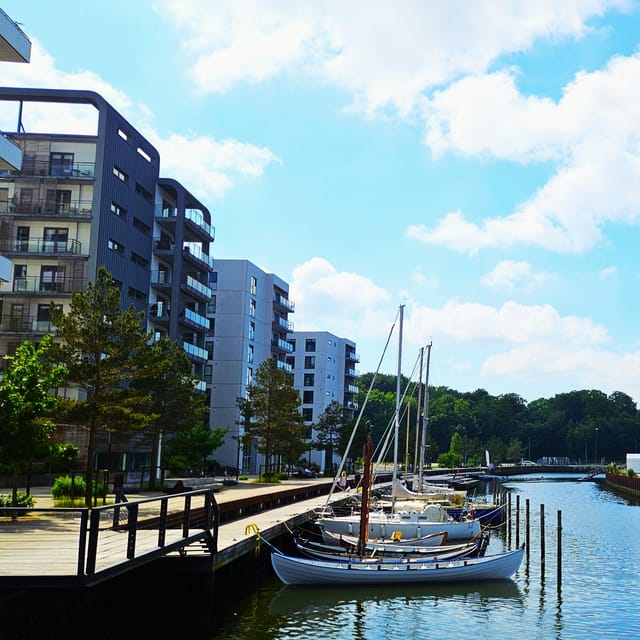
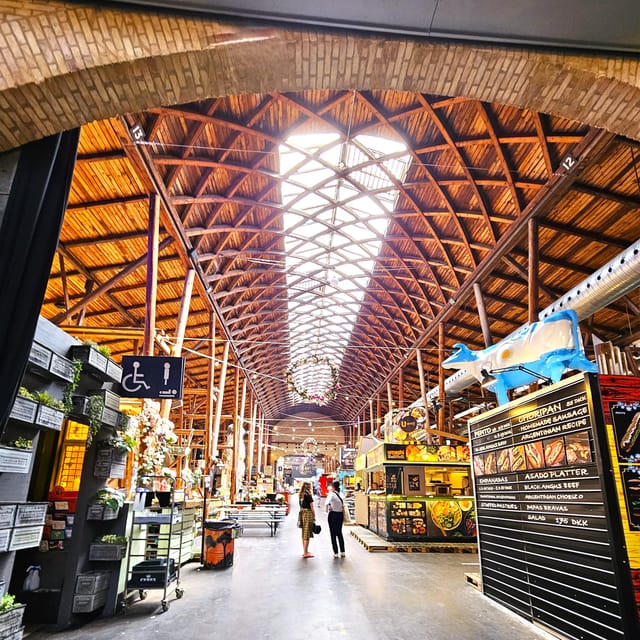
Storms Pakhus, home to Odense Street Food, gets about 15 minutes. It offers a natural pause in the route and a clear example of an old industrial setting being given a new public role.
You are not signing up for a meal as part of the tour, but the venue adds a lively social use to the redevelopment story. A former warehouse environment now supports food and gathering, which helps show how Odense is mixing old structures with new activity.
The wider former industrial area is still changing. That is important. You are not looking at a finished museum piece. You are seeing a district in progress, with new buildings and uses appearing over time.
I would use this stop to ask the guide what has worked, what remains unfinished, and how the city decides which old structures to keep. Since the route includes insider information and firsthand local views, these open questions are likely to add more than a quick photograph.
The 15-minute timing keeps the stop from taking over the walk. If you want plenty of time to eat at Storms Pakhus, plan a separate visit before or after the tour.
H.C. Andersen Haven and the road that disappeared
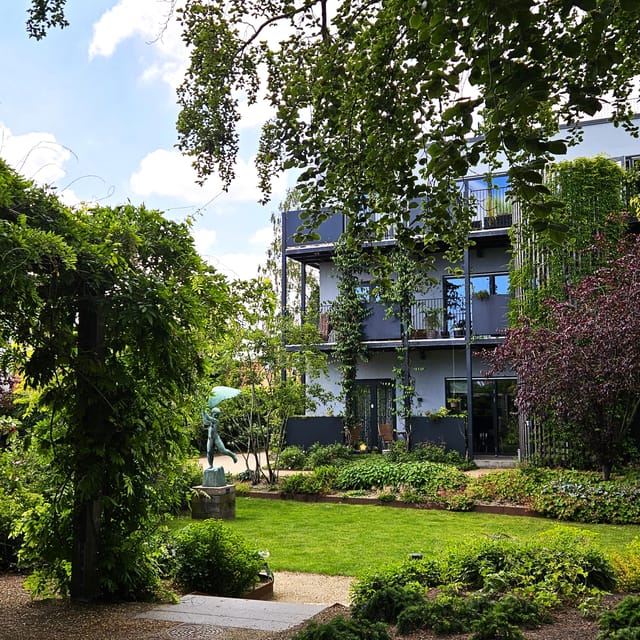
The final guided stop is H.C. Andersen Haven, with about 15 minutes before the walk returns to Overgade 3. The garden brings the route back toward the familiar Odense associated with its most famous writer, but the discussion still centers on city development.
The striking detail is what now lies nearby. A completed urban area occupies land where a six-lane main thoroughfare once ran through the city center. That change is easy to understand on foot, because you can stand in the present-day space and picture the traffic corridor that used to dominate it.
This is the kind of detail that makes the tour more useful than a basic orientation walk. You learn to read the city in layers. The pedestrian space, green areas, and new buildings are not random additions. They are the result of choices about traffic, quality of life, and how much room a center should give to cars.
Ending near the garden also gives the route a satisfying arc. You start in old Odense, move through industrial and harbor areas, and return through a completed example of the new urban vision.
What the guide adds to the walk
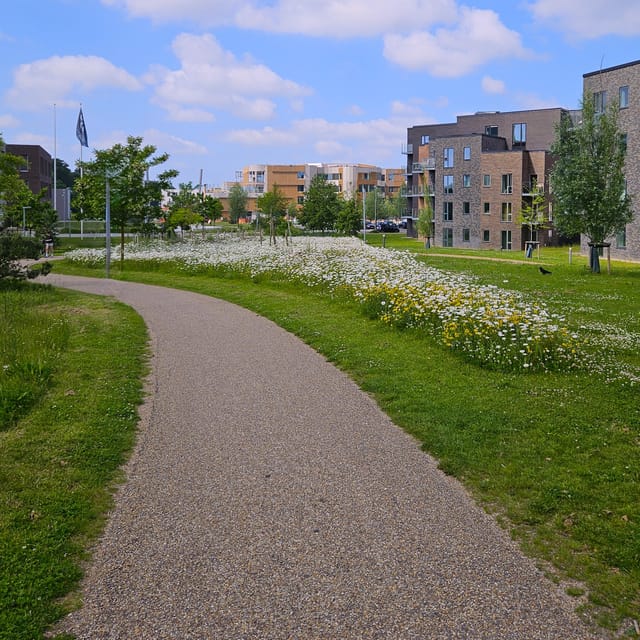
The guide is the main reason to choose this experience. The subject can sound dry on paper, but the best moments come when a local turns planning decisions into everyday questions.
You can ask how the changes affect residents, students, families, businesses, and young people looking for a home. You can also ask about Denmark’s education system, the economy, infrastructure, and ordinary routines. The conversation is not limited to buildings.
Jørn Asmussen has been specifically appreciated for his friendly manner, strong German, and ability to explain Odense’s positive direction in clear terms. Johan has also guided the walk and is described as an easy conversationalist who makes two hours pass quickly. Since guide assignments can vary, check the available language and guide information when booking.
German-speaking visitors have a particularly useful option here, but English is also offered. The walk’s value rises when you take part, so come with a few questions rather than treating it as a lecture.
The pace, distance, and group size
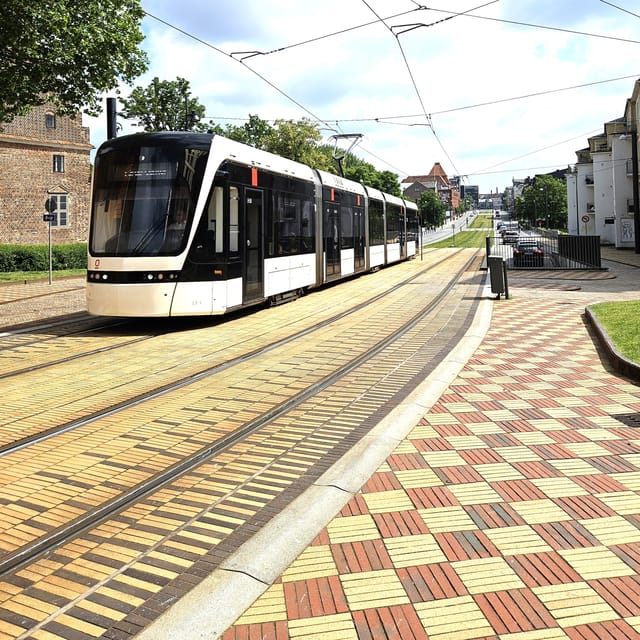
The walk lasts two hours and covers about 4 kilometers. The supplied guidance translates that to roughly 5,500 steps, so you should be comfortable walking continuously through the city.
There is no need for a vehicle between stops. You move from the pedestrian center toward the harbor and redevelopment areas, then return to the starting point. Wear comfortable shoes and remember that the experience is about seeing the city on foot, not checking off a short list of landmarks.
Small groups are available. That is a real advantage for this topic because urban planning can raise questions that are hard to ask in a large crowd. A small group also makes it easier to hear the guide and keep the discussion personal.
At the same time, the tour is not built around long breaks or a slow café pace. If you have limited stamina for 4 kilometers, the distance should guide your decision more than the two-hour duration.
Is $31 a fair price?
At $31 per person, the walk costs more than a basic free orientation stroll, but it offers a more focused subject and a local guide for two hours. You are paying for interpretation, not just for access to places.
I see good value if you have already visited the main sights and want to understand why Odense looks the way it does today. The old photos, direct answers, and discussion of housing, transport, education, and the economy add material you are unlikely to get from a standard brochure.
The value is weaker if you want entry tickets, food, or a long stop at a museum. None of those are included. This is a walking conversation about the city itself.
Flexible booking also helps. You can reserve and pay later, and cancellation is free up to 24 hours before the start for a full refund. Check the available starting time when you book, since the activity runs for two hours but the exact departure time can vary.
Who should book this experience?
I would choose this walk for curious visitors, repeat visitors to Odense, students of architecture or planning, and anyone interested in how Denmark handles urban change. It also suits you if you prefer a local conversation to a large group recital of famous facts.
It is a strong choice after two or three days exploring Odense independently. By then, you have seen enough of the city to appreciate what has changed, and the walk can connect those separate impressions.
Families with older children may also find the traffic, housing, and green-city questions useful, provided everyone is comfortable with the distance. The tour is less suited to very young children who need frequent entertainment, or to anyone seeking only H.C. Andersen sites.
German speakers should consider it carefully because clear German guiding is available. English speakers also have a solid option, with time to ask questions rather than simply follow along.
Should you book the New Green Odense walk?
Book it if you want to understand the forces behind modern Odense. The strongest reason is the combination of local explanation and visible change: the harbor, former industrial ground, new districts, and the space where a six-lane road once ran.
Skip it if your ideal city tour is short, monument-heavy, and mostly historical. This experience asks you to think about how a city should grow, and that means listening as well as looking.
For $31, I consider it a good buy for an engaged visitor who can walk 4 kilometers and enjoys asking questions. Go early in your Odense stay if possible. The rest of the city will make more sense afterward.
FAQ
Where does the walking tour begin?
It begins at Overgade 3, 5000 Odense, Denmark, on the pedestrian street or mall. Meet by the small ruin and look for a guide carrying a KnowledgeWalks sign.
Where does the tour finish?
The route returns to Overgade 3, the same place where it begins.
How long does the tour last?
The walking tour lasts two hours.
How far do you walk?
The route covers about 4 kilometers, or approximately 5,500 steps.
What languages are available?
The live tour guide is available in English and German.
What is the main subject of the tour?
The tour focuses on Odense’s urban development and its move from an industrial city toward a green city with creative innovation and new housing in the center.
Which places are included on the route?
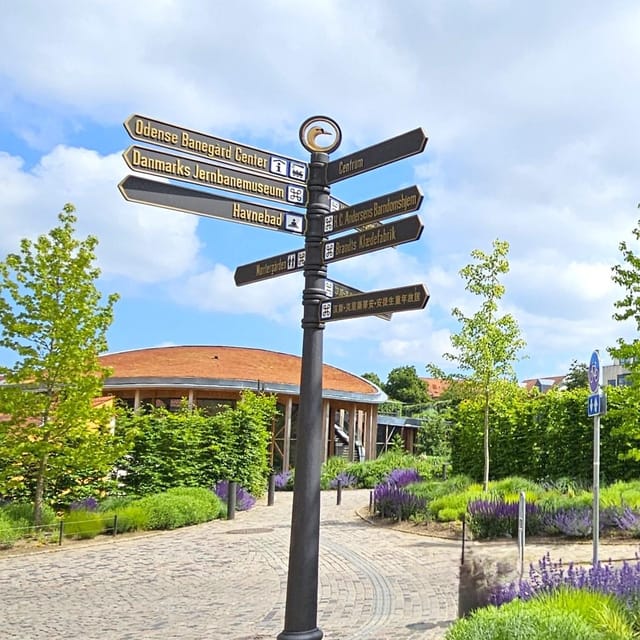
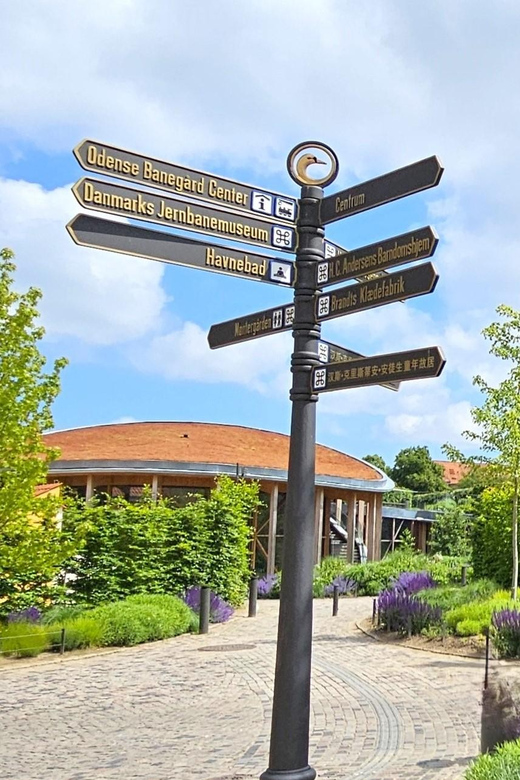
The route includes Albani Torv, Donkey Republic, the Port of Odense, Storms Pakhus and Odense Street Food, and H.C. Andersen Haven.
Is this a small-group tour?
Small groups are available.
How much does the tour cost?
The listed price is $31 per person.
Can I cancel or pay later?
You can reserve now and pay later. Cancellation is free up to 24 hours in advance for a full refund.
Just added around Denmark
- Understanding Klaksvík: A Self-guided city tour in KlaksvÍk★ 5.0 · 3 reviews
- Copenhagen: Express Walk with a Local in 60 minutes★ 4.6 · 3 reviews
- Súðuroy Island Day Tour, Faroe Islands★ 4.5 · 3 reviews
- Copenhagen: 3 Hour Extended Grand E-Bike Guided Tour★ 4.6 · 3 reviews
- Aalborg: Express Walk with a Local in 60 minutes★ 5.0 · 3 reviews
- The Forgotten Giants Private Tour★ 5.0 · 3 reviews
- E Biking Adventure to Kronborg Castle★ 5.0 · 3 reviews
- Castles of Kronborg and Frederiksborg from Copenhagen by Car★ 4.5 · 3 reviews
Walking Tours, compared.
Group Walking Tour – City Highlights – 2 Hours
Read our review →
3h walking tour, small group max 10 people Copenhagen
Read our review →
Walk & Canal Tour: Copenhagen Highlights + Changing of the Guards
Read our review →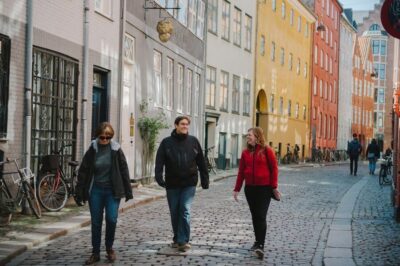
Browse the lists this tour appears in