
Reviewed · COPENHAGEN TOURS
Good Morning, Copenhagen: Feel The Danish Hygge & Happiness
Copenhagen’s idea of hygge is easier to understand over a pastry and coffee than from a dictionary. This small-group morning walk pairs old streets, royal landmarks, tucked-away lanes, and Danish treats with a local guide who explains how comfort, trust, modesty, and time together shape daily life.
I like two things right away: the group is capped at 10 people, and the guides bring personal insight rather than only dates and building names. Guides including Therese, Oskar, Laura, Peter, Sandra, and Karoline have been praised for their warmth, humor, local knowledge, and practical advice.
The trade-off is clear. This is a gentle cultural walk, not a full museum tour or a detailed survey of Copenhagen’s past. Some people find the pace a little rushed, while others feel the tour gives history less attention than the title suggests.
Key points to know before booking
- Small groups of up to 10: You get room to ask questions and speak with your guide.
- Hygge you can taste: Danish pastry, flødeboller, and coffee or tea make the idea wonderfully concrete.
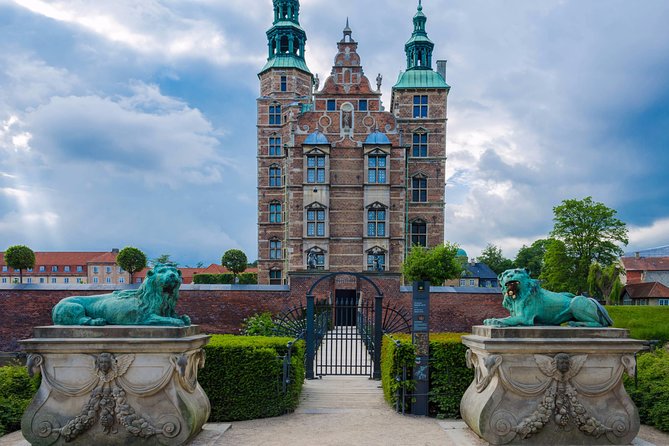
- A strong first look at central Copenhagen: The route links Nyboder, King’s Garden, Rosenborg Castle, Christiansborg Palace, Nikolaj Kunsthal, and several old lanes.
- Local culture comes first: Expect discussion of Danish customs, happiness, trust, welfare, religion, and the Law of Jante.
- Outdoor sightseeing only: You see the major buildings from outside, with no admission to Rosenborg, Christiansborg, Nikolaj Kunsthal, or the other listed sites.
- Best for an easy first morning: Wear good walking shoes, bring rain protection, and save the tour early in your stay for restaurant and sightseeing tips.
Why this Copenhagen walk feels different
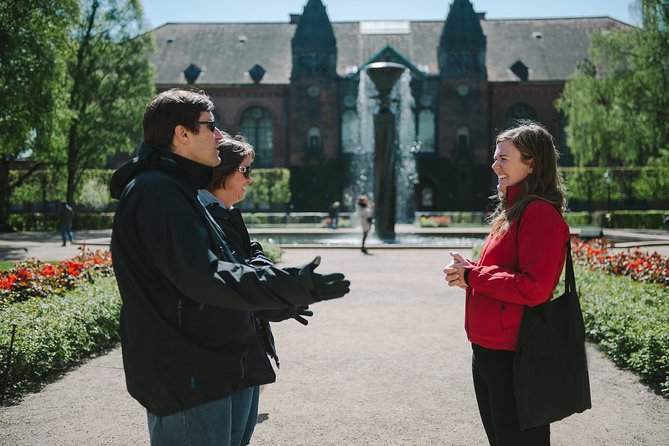
Many city walks hurry from one famous façade to the next. This one tries to show you how Copenhagen feels between the sights. You move through old quarters, quiet squares, small lanes, gardens, cafés, and pedestrian streets while your guide connects them to Danish habits and values.
That approach works best if you want more than a checklist. Your guide may explain why a coffee break matters in Danish life, how the idea of Jante shapes social behavior, or why Denmark’s welfare system is tied to a strong sense of trust. The historical material supports the cultural story, but culture remains the main course.
The route also gives you a useful introduction to the city center without asking you to sprint. The walk lasts about three and a half hours, though the number of stops and treats means you cover a fair stretch of central Copenhagen. One person described it as a gentle walk suitable for an 85-year-old parent, while another found the four-hour experience rushed at points. Your own sense of pace will depend on the group and the guide.
Other Copenhagen days people book alongside this one:
- Copenhagen: Canal Cruise with Guide
★ 4.6 · 9,115 reviews - Copenhagen: Hop-On Hop-Off Bus Tour with Boat Tour Option
★ 3.9 · 4,122 reviews - Private Walking Grand Tour of Copenhagen
★ 5.0 · 3,953 reviews
Starting among Nyboder’s yellow houses
Meet at Krokodillegade 21, near Nyboders Mindestuer. The yellow rows of Nyboder make a fitting starting point. They carry you back to the era of King Christian IV, when the district housed naval personnel and their families.
Your guide begins by introducing the group and setting the tone. This is where the small-group format matters. With no more than 10 people, you can ask about Danish life, local customs, or places to eat without trying to interrupt a large crowd.
The opening stop lasts about 15 minutes and costs nothing beyond the tour price. It is mainly an orientation and storytelling stop, so do not expect to enter buildings. You are here to look, listen, and begin seeing the city through a local lens.
Cobblestones, timber frames, and a slower Copenhagen
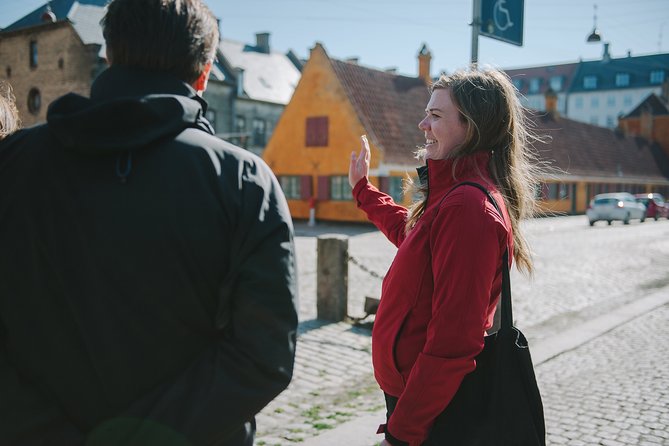
From Nyboder, the route heads through some of the oldest parts of the city. Krusemyntegade is a fine example of the type of street that makes this tour appealing: cobbles, older houses, and a calmer mood just a short distance from the main routes.
This part is less about a single grand attraction and more about learning to notice Copenhagen’s smaller pleasures. Green corners, old façades, and narrow lanes can tell you a lot about the city’s scale and character.
You spend only about 10 minutes at this particular point, but the walking between stops adds to the experience. Wear shoes with solid soles. Copenhagen’s cobbles are charming, but they are not kind to thin footwear.
Danish pastries as a cultural lesson
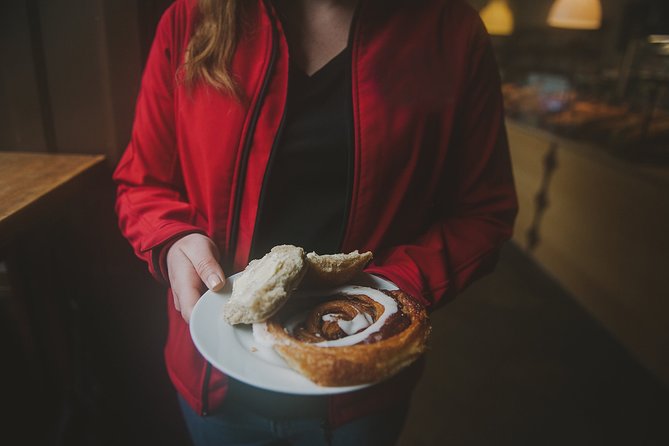
The next stop brings food into the story. Danish pastries have a strong place in local life, and your guide uses them to explain childhood memories, weekly routines, and the pleasure of taking time for something sweet.
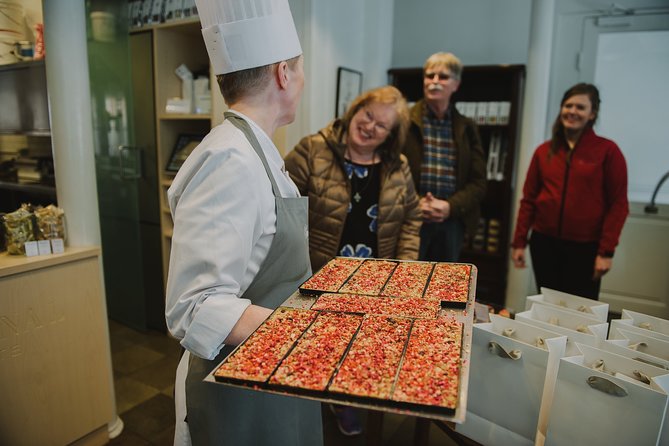
This is not a full breakfast. The included food is a tasting, and extra food or drinks are not covered. Still, the pastry gives you something more useful than a quick snack. It turns an abstract idea into a shared moment. You can taste the slower, social side of Danish culture instead of only hearing about it.
The relaxed food stops are among the most praised parts of the experience. If you are hoping for a substantial meal, eat something beforehand or plan lunch afterward. If you want a gentle start with a local bite, this section should suit you well.
A few more Copenhagen half-days to weigh up
- From Copenhagen: Lund and Malmö 2-Country Tour
★ 4.7 · 2,772 reviews - Copenhagen Highlights Walking Tour
★ 5.0 · 2,324 reviews - Copenhagen: Highlights 3 Hour Bike Tour with a Local Guide
★ 4.8 · 2,312 reviews - Hamlet and Sweden Tour – Two Countries in one day !
★ 5.0 · 2,223 reviews
King’s Garden and the story behind Rosenborg
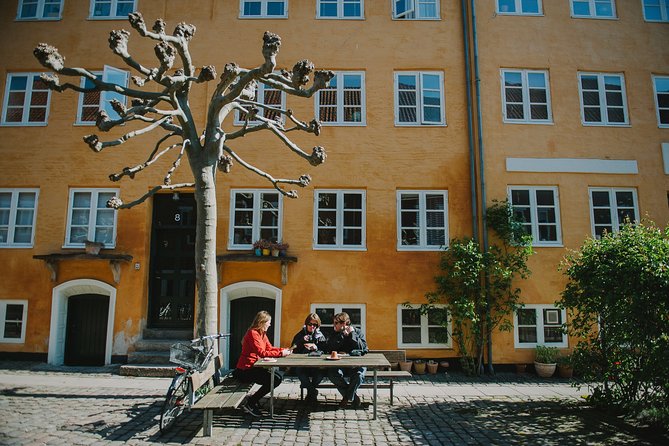
Kongens Have, or King’s Garden, offers a welcome pause from the streets. The former royal garden is now a public park, and your guide explains how it changed from a royal space into one of the world’s early public parks.
The story is not presented as a dry list of dates. It includes ambitious kings, unstable behavior, and complicated romantic affairs. That lively angle helps make the garden’s past easier to remember.
You then stop outside Rosenborg Castle. Christian IV built the castle in the 17th century, and the guide points out its design and royal associations. Rosenborg is compact and photogenic, but this tour does not take you inside. That matters if you want the crown jewels or palace rooms. You will need a separate visit for those.
The garden and castle section gives you a good balance of open space and royal Copenhagen. It also makes clear what this tour does best: it offers context and a local explanation, then moves on rather than spending hours at one attraction.
A quiet pause in Pistolstræde
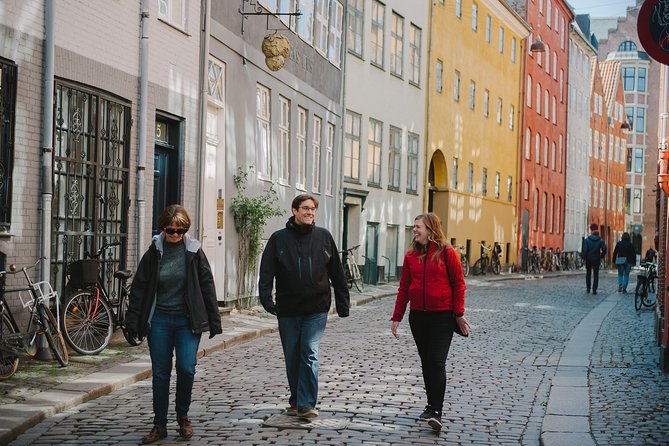
Pistolstræde provides one of the route’s most distinctly hyggelig moments. This tucked-away alley offers old-world atmosphere and a chance to sit down while the guide serves flødeboller.
Flødeboller are chocolate-covered marshmallow treats with a soft filling. They are tied to Danish childhood and everyday indulgence, so the guide explains their place in local culture before you eat them.
This stop lasts about 20 minutes, giving the group time to slow down and talk. It is also a useful reminder that hygge is not just candlelight and tidy interiors. It can be a shared sweet, a quiet corner, and a little space in the middle of a city day.
The food portions are described as small, and one booking experience called the treats minimal but still worthwhile. I would think of them as samples, not a meal.
From pedestrian crowds to Nikolaj Kunsthal
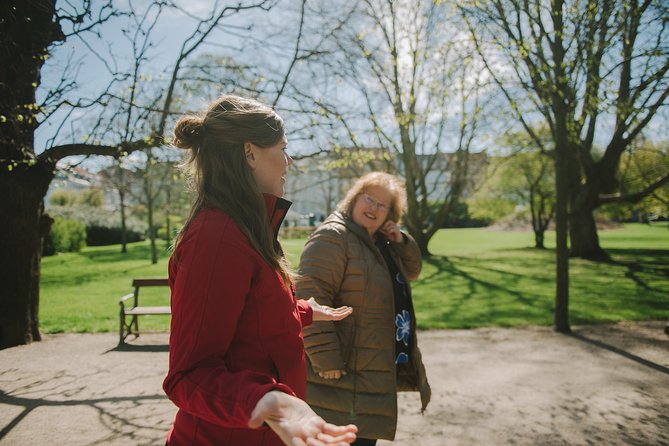
The route then shows you a change in mood. You move from quieter lanes toward one of Europe’s busy pedestrian streets, noticing how quickly the atmosphere shifts. This contrast is a smart part of the tour because it shows that calm in Copenhagen is often close by, but you have to turn down the right street.
At Nikolaj Kunsthal, you stop in a quieter cobbled square and look up at the distinctive spire. The building may look like a church, but its current role is not quite what you might expect. Your guide uses the stop to discuss Danish attitudes toward religion and how those views fit into modern culture.
Again, you remain outside. The tour does not include entry to Nikolaj Kunsthal. While you take pictures, the guide steps into a nearby shop to collect another part of the experience. The exact shop or item can vary, but the structure of the stop gives you a short break and another local surprise.
Christiansborg and the Danish happiness question
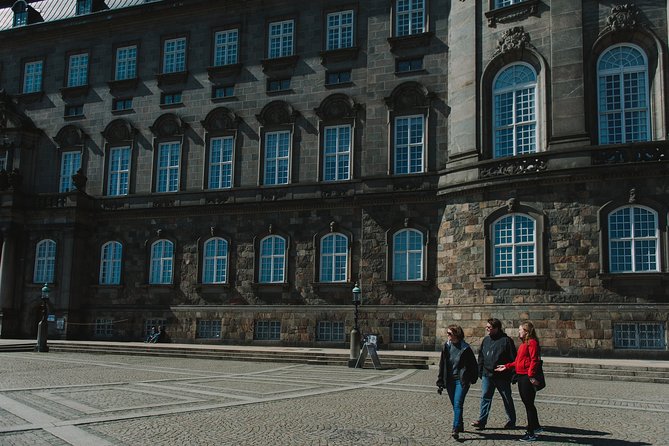
Christiansborg Palace is one of the most important stops because it links architecture with the way Denmark is governed. The building houses the Danish parliament today, and the guide discusses politics, the welfare system, trust, and the Law of Jante.
This is the part most closely tied to the happiness theme. Denmark’s reputation for high happiness is not presented as simple cheerfulness. Instead, the discussion looks at social trust, public systems, and cultural expectations. You may also pick up ideas for your own daily life, though the tour is not a formal lesson in social policy.
The Law of Jante can be hard to explain in a few minutes. In broad terms, it reflects a cultural suspicion of boasting and excessive individual status. The tour presents it as part of a two-sided system: modesty and social pressure on one hand, trust and cohesion on the other.
You see Christiansborg from outside, with no palace interior included. That is fine for a first orientation, but plan a separate palace visit if grand rooms, the parliament’s interior, or more detailed political history matter to you.
Magstræde and the art of noticing small streets
On the way back, Magstræde supplies another dose of old Copenhagen. It is short, picturesque, and especially good for photographs. The guide connects the street with community and the places where hygge happens naturally.
This stop lasts only about five minutes, so do not expect a long talk. Its value lies in the pause. A route that includes several small streets teaches you how to explore Copenhagen after the tour: leave the main road, look for older lanes, and allow the city to unfold at walking speed.
Coffee, cake, and useful advice at the finish
The final stop takes place at a café on a quiet central street. You receive coffee or tea and a slice of Copenhagen as a souvenir. The precise café experience can vary, but the purpose is consistent: sit down, finish the morning slowly, and ask your guide for advice.
The tour ends on Læderstræde, in the city center, near artisan shops. That is a handy location for continuing your day. You can stay nearby for shopping, lunch, or more walking, and the guide can suggest places based on what you want to do next.
The personal recommendations are an important part of the value. Several guides, including Therese, Peter, Laura, and Oskar, have been praised for helping with restaurant ideas and wider city plans. Ask specific questions before you part: where to eat, which sights deserve more time, and how to shape the rest of your Copenhagen visit.
What the $82.23 price gets you
At $82.23 per person, this is not the cheapest way to walk around Copenhagen. You are paying for a local English-speaking guide, a small group, several tastings, coffee or tea, and a carefully planned route through central neighborhoods.
The value improves if you use the tour as an introduction rather than a complete sightseeing day. You see many important places, but you do not pay separate admission or spend long periods inside museums and palaces. That keeps the morning moving and leaves you free to return later to the attractions that interest you most.
The group limit also matters. A maximum of 10 people allows a more personal exchange than a large coach or crowded walking group. If you want a private tour, this is not one, but it offers a useful middle ground between a large group and a much more expensive one-on-one guide.
Group discounts may help reduce the cost for a party. The experience is booked, on average, 47 days ahead, so popular dates may fill early. Free cancellation is available up to 24 hours before the start time, which gives you some flexibility when planning.
Who will get the most from this tour
I would choose this walk for a first or second day in Copenhagen. It helps you get your bearings, introduces the old center, and gives you ideas for the rest of your visit. The café finish also makes it easy to continue sightseeing without losing half a day.
It suits you if you:
- Want local culture alongside famous sights
- Like food tastings but do not need a full meal
- Prefer a relaxed pace to a hard-driving itinerary
- Enjoy asking a guide about everyday Danish life
- Are happy seeing palaces and historic buildings from outside
- Want restaurant and city advice from a local
Families can join. Children aged six through 11 use the listed child rate, and children under six may join free with advance notice. The moderate fitness requirement is worth taking seriously, since you will walk for about three and a half hours. An 85-year-old parent has managed the gentle format, but suitable footwear remains essential.
The tour is less suitable if your main goal is interior access, museum time, or a detailed chronology of Danish history. One clear criticism is that the cultural theme can outweigh historical context. Another is that the route can feel rushed to people who want to linger in each place.
Weather, meeting point, and simple planning tips
Copenhagen weather can change quickly. Bring an umbrella or rain jacket, and wear shoes that can handle cobblestones. The tour is offered in English and uses a mobile ticket, with confirmation provided at booking.
The starting point is near public transportation, but the practical focus is walking. Service animals are allowed. Anyone showing COVID-19 symptoms will not be permitted to take part.
Since the tour ends in central Copenhagen, avoid booking a tight appointment immediately afterward. You may want to linger over lunch, follow up on a guide’s suggestion, or return to Rosenborg or Christiansborg for an indoor visit.
Should you book Good Morning, Copenhagen?
Book it if you want Copenhagen explained through daily life, local treats, and small streets, not only monuments. The strongest guides combine humor, personal pride, history, and useful advice. Names such as Therese, Oskar, Laura, Peter, Sandra, and Karoline appear often in the experience, though your assigned guide will depend on the date.
Skip it if you want extensive palace interiors or a serious history lecture. You will see Rosenborg, Christiansborg, Nikolaj Kunsthal, Nyboder, and other landmarks from outside, and the food servings are modest.
For most first-time visitors, I see this as a friendly orientation with real cultural value. It helps you understand why hygge is about shared time and comfort, not merely decorations. At $82.23, it earns its keep best when you use the local advice and return later to the places that catch your eye.
FAQ
How long does the Good Morning, Copenhagen tour last?
The tour lasts approximately 3 hours and 30 minutes.
What language is the tour offered in?
The tour is offered in English with a native English-speaking guide.
How large is the group?
The group has a maximum of 10 participants.
Where does the tour start?
The meeting point is Krokodillegade 21, 1326 København K, Denmark, near the Nyboder area.
Where does the tour end?
The tour ends on Læderstræde in Copenhagen city center, on a street with artisan shops.
Is food included?
Coffee or tea and tastings of Danish pastry and flødeboller are included. Additional food and drinks are not included.
Do you go inside Rosenborg Castle or Christiansborg Palace?
No. The tour visits these places from outside. Interior admission is not included.
Can children join the tour?
Yes. Children aged six through 11 may join at the listed child rate. Children under six may join free, but you must inform the provider when booking.
What happens if I need to cancel?
You can cancel for a full refund up to 24 hours before the experience start time. Cancellations or changes made less than 24 hours before the start are not accepted for a refund.
Just added around Copenhagen
- Copenhagen: Express Walk with a Local in 60 minutes★ 4.6 · 3 reviews
- Copenhagen: 3 Hour Extended Grand E-Bike Guided Tour★ 4.6 · 3 reviews
- The Forgotten Giants Private Tour★ 5.0 · 3 reviews
- Castles of Kronborg and Frederiksborg from Copenhagen by Car★ 4.5 · 3 reviews
- Departure by Luxury Vehicule Copenhagen to Copenhagen airport CPH★ 5.0 · 3 reviews
- Copenhagen: Self Guided Scavenger Hunt and Tour★ 4.0 · 3 reviews
- Private Transfer Copenhagen Airport CPH to Copenhagen by Sedan★ 4.5 · 3 reviews
- Copenhagen Craft BeerWalk City Center★ 4.4 · 3 reviews
Copenhagen Tours, compared.
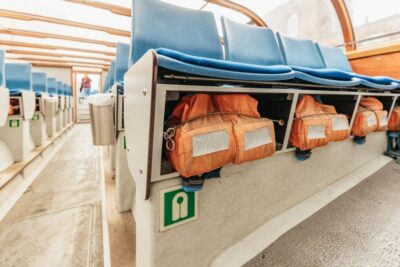
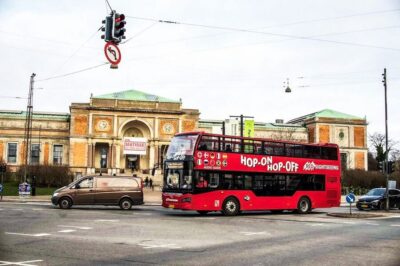
Hop-On Hop-Off Bus Tour with Boat Tour Option
Read our review →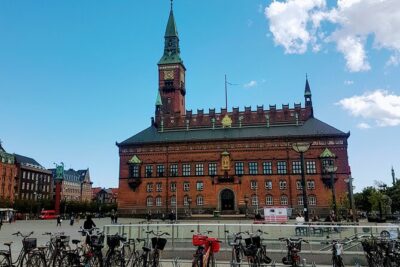

Highlights 3 Hour Bike Tour with a Local Guide
Read our review →
Hamlet and Sweden Tour – Two Countries in one day !
Read our review →
Browse the lists this tour appears in